
Imagine the Possibilities
2026 Annual Report
- About Food Banks Canada
- Our Land Acknowledgement
- Our Commitment to Equity, Diversity and Inclusion
- A Message from Our Leaders
- Highlights of the Year
- Reducing the Need for Food Banks in the Future Through Advocacy and Awareness
- Increasing the Food Supply
- Supporting and Enhancing the Food Bank Network
- Special Programs
- Thank Yous
- Financial Accountability and Oversight
- Download the 2026 Annual Report
- Past Reports and Financial Statements
For as long as there have been food banks, they’ve been opening doors. Instead of letting clients go hungry or spend all their energy trying to meet essential needs, food banks have empowered people to envision and pursue better possibilities.
The time has come for food banks and their supporters to come together and achieve something even more ambitious: unlocking new possibilities for Canada and all who are living here.
This year, Food Banks Canada invited everyone to imagine a future in which far fewer people would need food support, food banks could readily serve those who do need it, and nobody would be left behind.
It’s not just a dream: our latest strategic plan, co-created with food bankers from coast to coast to coast, lays out how we can work together to make this possibility a reality.
Food Banks Canada can’t do it alone, but we’re prepared to lead the way. We can see it so clearly, and we hope this report on the progress so far will help you imagine it, too.
Our Land Acknowledgement
Food Banks Canada, which supports a network of food banks and community organizations spanning coast-to-coast-to-coast, recognizes that our work takes place on the traditional territories of Indigenous Peoples who have cared for this land that we now call Canada since time immemorial.
We acknowledge that many of us are settlers and that these lands that we live, work, meet, and travel on are subject to First Nations self-government under modern treaty, unceded and un-surrendered territories, or traditional territories from which First Nations, Métis, and Inuit Peoples have been displaced.
We are committed to decolonization and to dismantling the systems of oppression that have dispossessed Indigenous Peoples of their lands, including the land on which we operate, and denied their rights to self-determination.
Our Commitment to Equity, Diversity and Inclusion
As we move forward, Food Banks Canada remains committed to learning and to improving our approach to better include and represent all the members of our diverse community. We will continue to seek new and better ways to embrace EDI principles in all the work we do. Our vision is a Canada where no one goes hungry. This vision is inclusive of every person within our borders, irrespective of race, national or ethnic origin, language, citizenship, colour, religion, sex, sexual orientation, gender identity, gender expression, income source, age or mental and/or physical ability.
A Message from Our Leaders

Kirstin Beardsley
CEO, Food Banks Canada

Peter Singer
Board Chair, Food Banks Canada
Imagine this: a man named Robert loses his job, but thanks to updates to Canada’s Employment Insurance program, he can meet his needs while he trains for a new one. The local food bank was there in the shaky, early days of his unemployment and is still there if needed, but it sees fewer food shortages and long lineups now that effective policy measures have eased the strain on its resources.
Robert’s neighbours, the Tremblays, are farmers who sometimes have excess product. But they no longer till it under, because now they know who to call instead. Food Banks Canada works with the food bank network to arrange the transport, processing, and sharing of that product across the region. Rather than going to waste, this nutritious food is redirected to those who need it most.
These are just a couple of the possibilities we envision realizing between now and 2030.
Currently, the gap is growing between what communities need and what food banks can provide. This isn’t happening because food banks haven’t stepped up, but rather because the need for them has grown dramatically over the past six years. It’s been extremely tough, yet we do not doubt that together, Food Banks Canada, the food bank network and our supporters can open the door to a better future for all.
This past year, Food Banks Canada shared our new five-year strategic plan and leapt into implementing it alongside the country’s network of food banks. This ambitious yet feasible plan includes:
- Leading and mobilizing for change
- Strengthening the food bank network to meet demand
- Improving access where it’s needed most
Some of the steps we’ve taken together have already made an impact. For instance, more than 12 million low-income people will now have an easier time making ends meet amid rising essential costs, thanks to the new Canada Groceries and Essentials Benefit. The government adopted this measure after collective advocacy efforts earned us the opportunity to recommend it directly to the Prime Minister and his Cabinet in January 2026.
In other areas, investments are being made for the near future. At Greener Village Food Bank in Fredericton, for instance, construction work is underway on a perishable food rescue centre. It will be equipped to collect surplus produce from farms and transform it to extend its shelf life and make it practical to distribute throughout New Brunswick and beyond. It’s a game-changer and a model that we hope to replicate across the country by working with food banks, partners and donors.
Translating imagination into action takes courage and hard work, but with your help, we can make this moment a turning point for Canada’s food security. We’re excited for you to join us on the journey!
Kirstin Beardsley, CEO, Food Banks Canada & Peter Singer, Board Chair, Food Banks Canada
Highlights of the Year
Reducing the Need for Food Banks in the Future Through Advocacy and Awareness
Imagine cutting food insecurity in Canada in half.
“[It’s] time for all of us, in this time of crisis, to get truly serious about tackling food insecurity and demanding a world in which food is a basic human right, accessible to all.”
– North York Harvest Food Bank
Food insecurity has skyrocketed and deepened in Canada, driven by structural inequities and incomes that have not kept pace with a rising cost of living. Food banks work as hard as they can to help people in their local communities, but when our data reports a doubling in food bank visits over six years, it’s clear that governments need to make systemic policy changes.
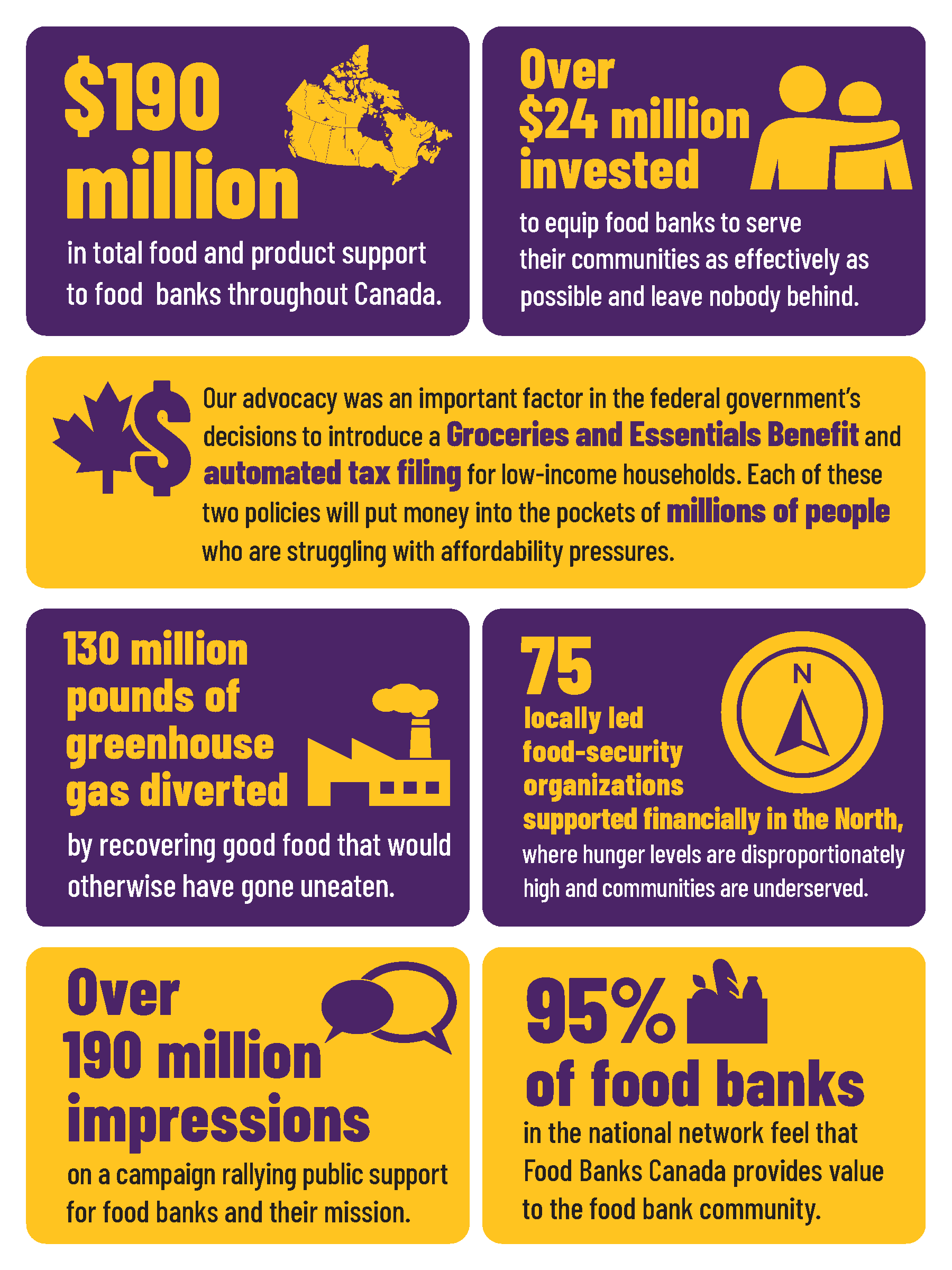
As a result of sustained collective advocacy from Food Banks Canada, the food bank network and allied voices, fiscal year 2025-26 saw the federal government announce several measures – including automated tax filing and a Groceries and Essentials benefit – that will make a meaningful difference for the millions of people in Canada who are struggling to put food on the table.
An Estimated 12.6 million households
Around 1 million low-income people
Over 75,000 followers
96% of food banks

Making Food Insecurity a Voting Priority in the Federal Election
April 2025’s federal election pulled voters’ attention in many directions. Through it all, Food Banks Canada and each provincial and territorial food banking association asked people to vote with Canada’s crisis levels of food insecurity in mind and pushed for a government commitment to reduce them by 50% by 2030. “We can’t expect Canada to rise to whatever challenges lie ahead when a quarter of its residents are struggling to meet their basic needs,” we argued together.
Fifty food banks and community organizations amplified this campaign, resulting in over 150,000 visits to its landing page, 5,145 petition signatures and 60 news-media stories highlighting the importance of government action on hunger.

A Solutions-Focused Summit
In Montreal last summer, Food Banks Canada invited food bankers, academics, decision-makers, Indigenous representatives, food-sector business leaders and people with experience of food insecurity for a first-of-its-kind bilingual summit focused on shaping a unified agenda for addressing food insecurity nationwide. The majority of participants reported that the gathering helped them feel more prepared to implement change in their respective spheres of influence.
“This is a moment of reckoning, a collective call to action,” shared Ardis Proulx-Chedore, manager of the Cochrane Food Bank in Ontario and winner of the 2025 Angela Jones Memorial Award for outstanding achievement in logistics in support of food bank operations. “Here, we’re sharing stories, strategies, and solutions — because hunger doesn’t look the same in every community, but the need for dignity and access is universal.”
A Glimmer of Hope and a Pathway Forward
In September 2025, the third annual Food Banks Canada Poverty Report Card examined financial hardship across the country and the federal government’s efforts to address it. Because of unprecedented levels of poverty and food insecurity, we gave the Government of Canada a D grade for its overall performance. However, easing housing pressures and new social supports, such as the Canadian Dental Care Plan and the National School Food Program, earned it a C for legislative progress.
Besides generating over 1,300 pieces of news coverage and a week of lively discussions in the House of Commons, 2025’s Poverty Report Card ultimately became a factor in the government’s decision to implement one of our top policy recommendations, namely automated tax filing for low-income households with simple tax situations. This policy will ensure that millions of people receive more of the social benefits they’re already entitled to.

LFG! A Rallying Cry for Human Potential
To elevate the issue of food insecurity and highlight the stakes, Food Banks Canada launched a national awareness campaign in late September 2025 called LFG, which usually means “Let’s Freaking Go” but in this case stands for “Let’s Feed Greatness.”
The campaign focused on what we all stand to gain by addressing food insecurity and supporting food banks. “When people have enough to eat, possibilities grow, communities strengthen, and we unlock the potential of every person in Canada,” explained CEO Kirstin Beardsley. “By helping each other thrive, we grow ready to face the challenges of today and tomorrow.”
Released alongside as two major Food Banks Canada research reports, LFG reinforced the human significance of their findings. The campaign’s flagship video has amassed over 8.7 million views and the campaign has reached over 190 million impressions to date.
LFG is part of a broader project to evolve a cohesive brand that enhances public awareness of food insecurity and food banking in Canada, while inspiring people to contribute to our shared mission.

HungerCount 2025 Showed the Urgency of Bold Legislative Action
Food Banks Canada’s annual HungerCount project tracks and reports on food bank visits and client demographics. In March 2025, there were nearly 2.2 million visits to food banks across Canada — the highest recorded number ever.
During the first five days after the report’s release in October 2025, questions about HungerCount or food banks accounted for 40% of all questions asked during Question Period on Parliament Hill.
“Canada’s HungerCount is growing relentlessly in the wrong direction,” warned Food Banks Canada CEO Kirstin Beardsley. “But we can make new choices. We can turn things around. It starts by feeding greatness and valuing human potential.”
An Advocacy Success Story: The Canada Groceries and Essentials Benefit
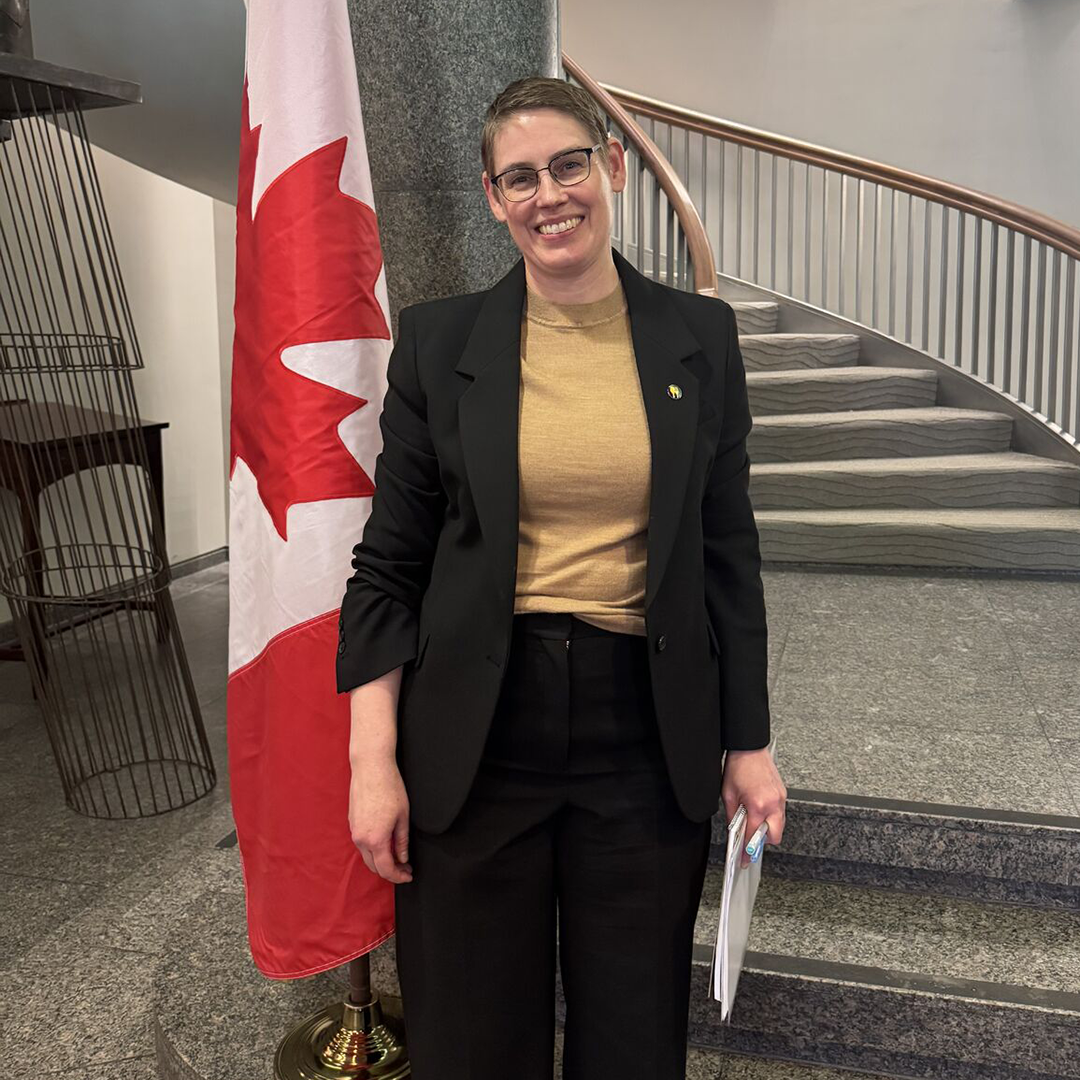
In January 2026, Food Banks Canada CEO Kirstin Beardsley was invited to the federal government’s cabinet retreat, where she spoke directly to the Prime Minister and his Cabinet about our practical, evidence-based recommendations aimed at making life more affordable, reducing hunger, and improving systems to remove people from poverty. The following week, the government announced an array of encouraging measures, including a National Food Security Strategy and – to provide immediate relief to struggling people while waiting for the impacts of longer-term policy solutions to take effect – a Canada Groceries and Essentials Benefit (GEB).
After several years of advocating for the GEB — including mobilizing over 50,000 advocates through a national petition and a letter‑writing campaign, and working with partners equally committed to ending food insecurity — we welcomed this benefit, which will help low-income households cover essential costs such as food, rent, bills, or childcare. It’s an advance that reflects the collective efforts of food-security advocates from Food Banks Canada, the food bank network and beyond.

Community-Based Research: Food Insecurity Among Employed People
A growing number of people in Canada are participating in the workforce yet struggling to afford food. In fact, according to our latest count, people who have employment as their main source of income now make up 19% of food banks’ clients. Using a community-based research approach, which involves the active participation of those who are most affected by an issue, peer researchers dove into the challenges faced by this group. These include a growing gap between wages and living costs, prohibitive employment-related costs such as commuting and childcare, and a lack of benefits and job security.
Many participants noted they couldn’t access government benefits because they were in a policy “no man’s land” rooted in the outdated assumption that a job guarantees financial stability. These insights – along with participants’ own ideas for policies and programs – will inform our recommendations for governments going forward.
Increasing the Food Supply
Imagine a reliable food supply for all.
“Our greatest concern is not having enough food to provide to our clients should the numbers of those who are food insecure in our community continue to increase as they have the past few years.”
– Richmond Hill Community Food Bank
Due to soaring levels of food insecurity across the country, many food banks are stretched to their limits. Last year, nearly a quarter of them reported running out of food before demand was met. Supplying more food is an urgent priority, because nobody should ever have to face empty shelves after mustering the courage to visit a food bank.
Food Banks Canada is well-positioned to help address this widespread challenge, thanks to our scope and scale, our privileged integration with Canada’s network of food banks, our food-sector expertise, and our national-level partnerships.
Over 22 million pounds
Nearly 15 million pounds
215,000 kid-friendly food packs
$22.4 million
7,063 food hampers
Working With Grocery Stores to Prevent Waste and Relieve Hunger
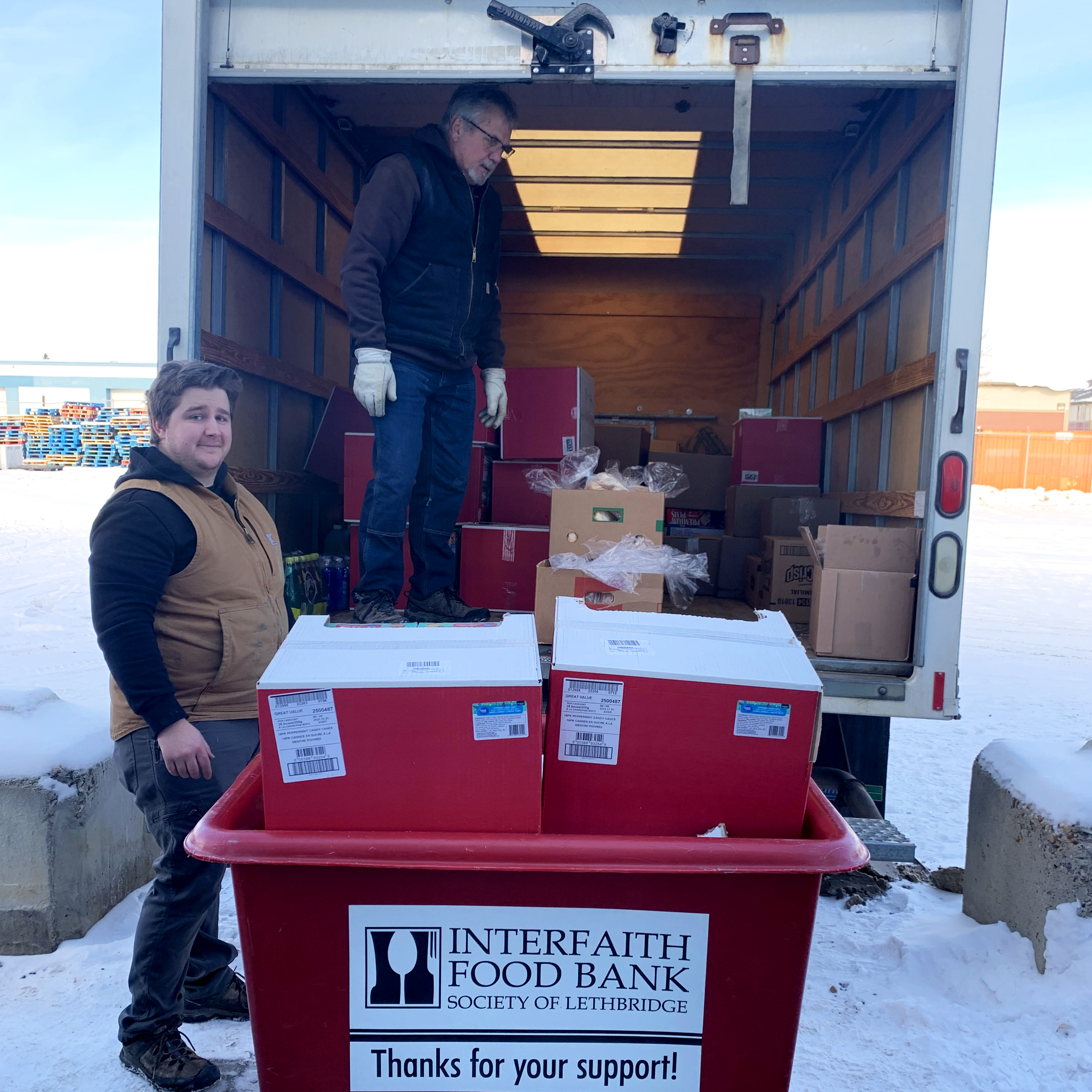
Food Banks Canada’s Retail Food Program matches grocery stores across the country with nearby food banks to divert surplus food. This past fiscal year, these arrangements collectively recovered more than 22 million pounds of food from hundreds of store locations. That’s millions of nourishing meals.
“People who need to access our food bank for the first time are always awestruck by the amount and the variety of food, never expecting that we could provide them with fresh produce or frozen meats, or have a such a wide selection of vegetarian products,” says a report from one of the organizations that benefit from these arrangements, the Salvation Army Food Bank in Napanee, Ontario. “The impact on fighting food insecurity in our community is huge.”

Getting Food Donations to Where They’re Needed Most
Three hundred thousand pounds of potatoes. Over 20,000 pounds of rice. Over 160,000 pounds of baby formula. These are just a few recent examples of the large-scale donations that Food Banks Canada receives from farmers, agri-processors, manufacturers and wholesalers and helps to distribute to food banks across the country according to levels of need. In fiscal year 2025-26, a total of 14.9 million pounds of food reached food banks and their clients this way. Thanks to the generosity of our storage and transportation partners, these shipments are often free of charge.
“These are exactly the kinds of foods everyone needs in their cupboards, and we are all so grateful to have them available to share,” writes Food Banks of Saskatchewan. “It takes all of us together to fight hunger in our communities: we feel the support from near and far.”
From Field to Table
Many growers across Canada are willing to direct their surplus produce to people in need. However, it’s often easier said than done. Farms and the nearby food banks often lack the resources they’d need to coordinate and act during the short window of time before the food spoils. Plus, the produce is in bulk quantities — more than one food bank could typically give away — and in unpackaged formats that many food banks can’t handle easily, if at all.
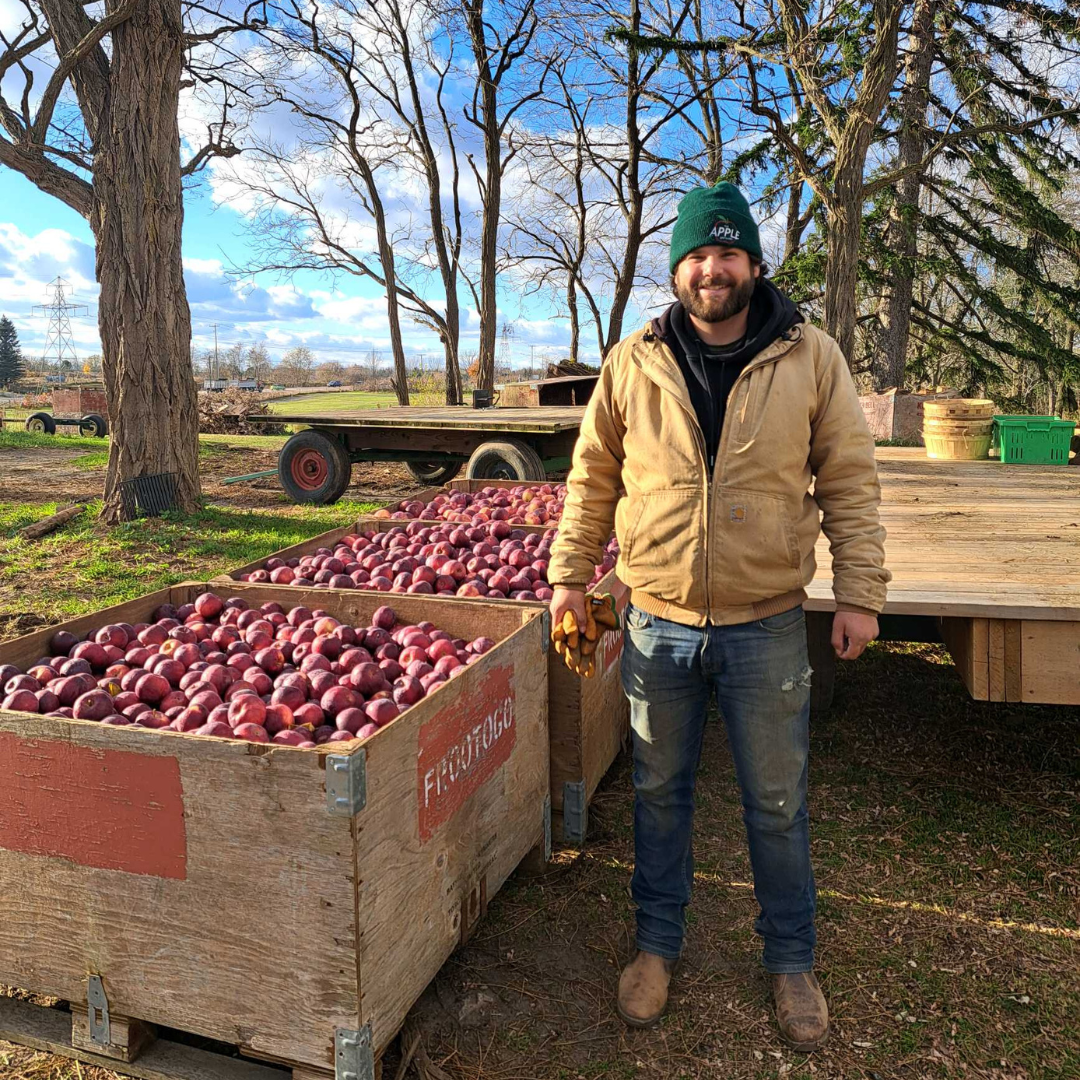
Together, Food Banks Canada and the food bank network are addressing these challenges and “unlocking” millions of pounds of agricultural donations. This means developing the capacity to get the food into food-bank-ready formats, distributing it quickly or preserving it for later use, and building relationships with farmers such as Lucas Catalfamo, who donated his surplus apple crops to food banks throughout Ontario last fall. “I think it’s so important that we work together for the greater good,” he said. “Not only to address challenges in food production, but also to strengthen food security for those who are struggling.”

10 Years of Fuelling Childhood Summers
Many children rely on school-based nutrition programs, but those programs are often closed during the summer months. A decade ago, Food Banks Canada recognized this unmet need and launched our After the Bell program, which provides bags of nutritious, kid-friendly foods for food banks and other community organizations to distribute to kids throughout the summer.
Thanks to the continued support of our partners and volunteers, After the Bell’s scale has grown more than 300 times bigger since it began. The summer of 2025 saw 215,000 food packs distributed in 235 communities across every province and territory.
“One parent became visibly moved [upon learning about After the Bell],” reported Feed Nova Scotia, relaying a story from a volunteer. “She expressed surprise that national organizations cared enough to think of her family. And her children’s faces lit up as they opened the colourful packs, especially when they discovered the fresh fruit inside. Moments like this remind us that After the Bell is about joy, and the reassurance that someone is thinking of you.”
Better Buying
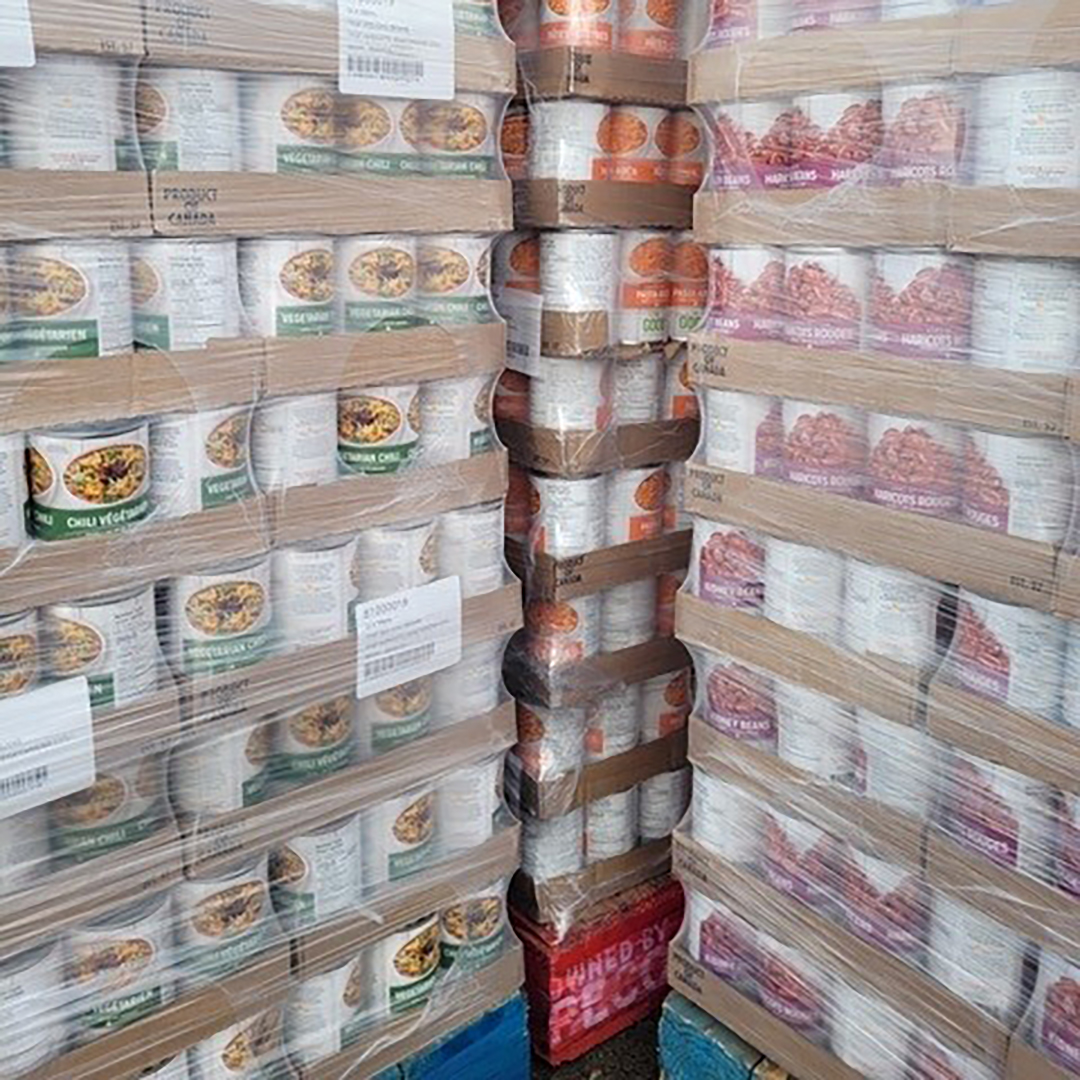
Food banks wouldn’t be able to operate without generous food donations, but the reality these days is that most of them don’t rely on donations alone. Our research reveals that 95% of food banks had to purchase some of their food last year, spending a median of $70,000.
That’s why Food Banks Canada’s Marketplace helps food banks stretch their limited budgets. Leveraging the nationwide network’s collective buying power, we negotiate exclusive pricing from reputable vendors and provide a centralized platform where their products are discounted by 25 to 50%. This past fiscal year, food banks used that platform to buy $22.4 million worth of food, household essentials and food banking supplies at discounted prices.

A Safety Net for Food Banks During Times of Disaster
Food banks are there for families when they fall on hard times. But what happens when an entire community falls on hard times? To help lighten the load on people facing disasters and the food banks serving them, Food Banks Canada has tens of thousands of emergency response food hampers staged in strategic locations throughout the country. The aim of our Emergency Hamper Program is to deliver them within 48 hours of an event and/or through recovery.
For example, when ice storms caused power outages for nearly a week in parts of Peterborough early 2025, most local food organizations lost all their perishables to spoilage. Many families lost the food in their fridges and freezers as well, increasing the need for food banks at the exact same time they were short on inventory. Food Banks Canada was ready to quickly ship in new food, which was then distributed to food banks, emergency warming shelters, and people’s homes. In total, we dispatched 7,063 emergency food hampers throughout fiscal year 2025-26.
Supporting and Enhancing the Food Bank Network
Imagine a resilient food banking system that can ensure no one is ever turned away or left behind.
“As the cost of living continues to rise, the number of households seeking food support has grown. Our limited cold storage … often resulted in food spoilage and missed opportunities to receive large donations. With our improved infrastructure, we are now much better equipped to meet the increasing need.”
– W.E. Graham Community Service Society, Slocan, BC
Across Canada, food banks are making heroic efforts to meet the challenges posed by increased demand for food, limited resources, and infrastructure-enhancement needs. Food Banks Canada plays a unique role in enabling the food bank network to build capacity, improve efficiency, fill service-coverage gaps, dismantle barriers to access, uphold national standards of excellence, and scale up innovative solutions across every province and territory. With the right supports, food banking can adapt to changing realities and evolve into a system with an even greater impact.
$4.3 Million
$2.1 Million
Over $4 million
$2.1 million
$672,000
$24.1 million
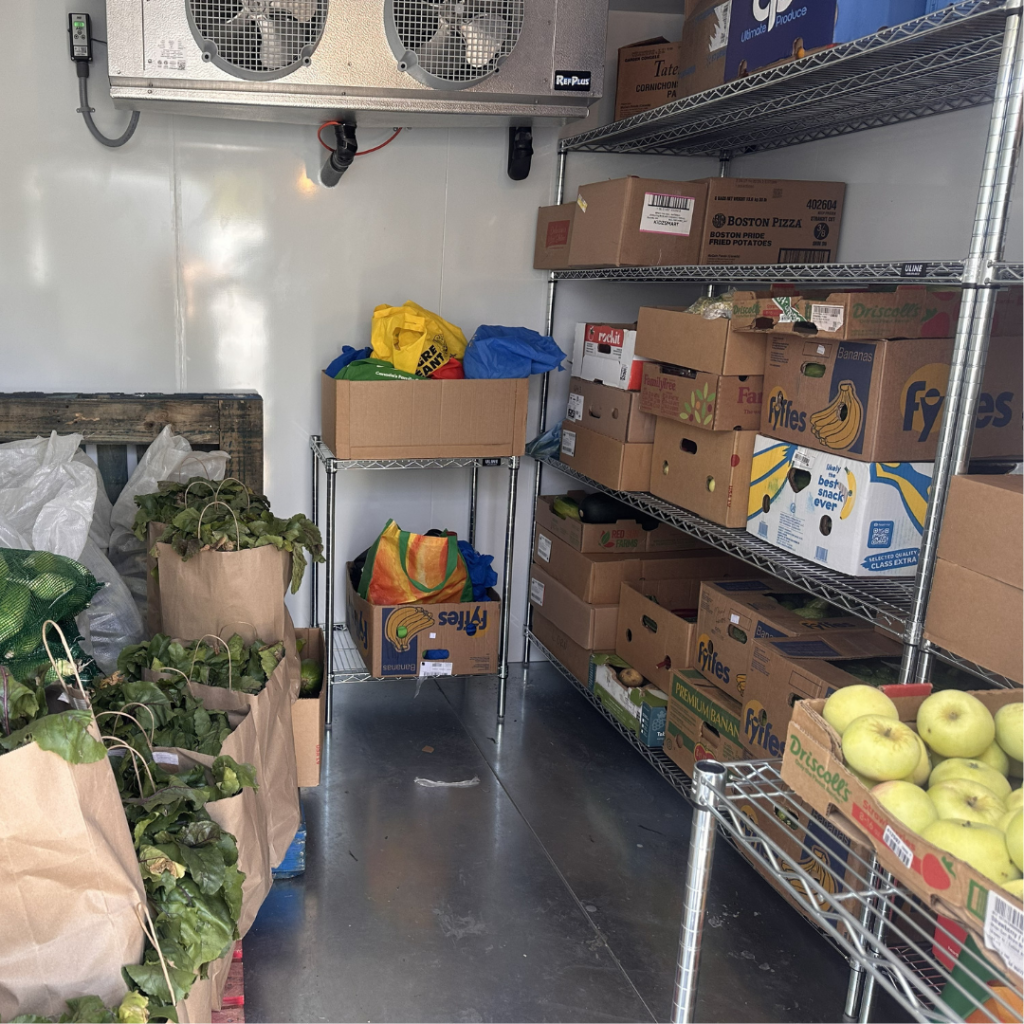
Growing Capacity
Food Banks Canada’s Capacity program is helping the country’s food banks build the shared systems and infrastructure they need to work together as a network, such as regional solutions for recovering food from farms.
This fiscal year, to make it possible for food banks to accept and distribute more food — and fresh food in particular — Food Banks Canada distributed a total of nearly $4.3 million in capacity-building grants to 101 organizations. The much-needed purchases included refrigeration equipment for preserving food, vehicles for transporting it, warehouse equipment for receiving it, shelving for distributing it, and more. Some food banks are building the capacity to grow some of their own food locally, with help from our investments in farming and gardening capacity.
At the Many Hands Resource Centre in Morden, Manitoba, one of the main refrigerators broke down last year. “We had just received a large donation of dairy products, and I had to stand at the sink pouring all of it away,” reported executive director Mariyam Tsygankova.
“I realized how many families this food could have nourished, and I felt completely hopeless. Then, only minutes later, I opened my computer and saw that our application for the Capacity Boost Grant had been approved! We were dancing with our staff because it felt like a lifeline had arrived exactly when we needed it most.”
Tsygankova added that in general, building refrigeration capacity had been transformative for the food bank, allowing it recover and distribute far more food than ever before.
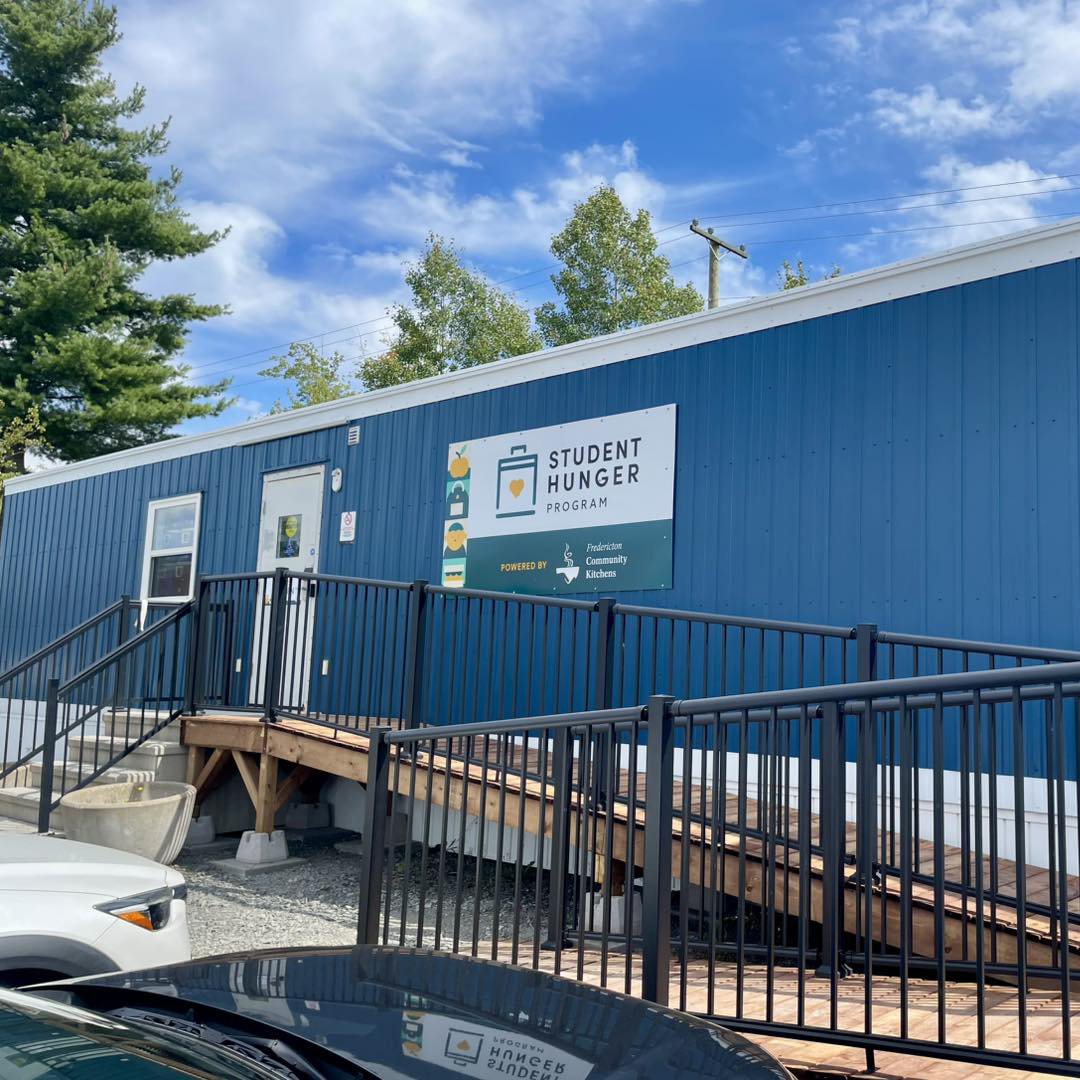
Reaching Everyone in Need
Unfortunately, the food bank network isn’t reaching everyone who needs its support. That’s why Food Banks Canada’s Access Grant provided a total of $2.1 million to 89 food banks and community organizations this fiscal year, for improvements that helped dismantle the barriers preventing people from accessing food. Improving access could mean anything from installing a wheelchair ramp to providing home delivery to reaching out to linguistic minorities in their own languages.
It can also mean addressing the barriers of anxiety, stigma and shame, which is what Whitecourt Interagency Food Bank in Alberta did. By making changes to their client-intake area, they gave people privacy and the ability to talk freely. “One client stated that she was grateful; she had always been fearful about being out in public because she had an abusive ex,” they reported. “She was able to tell us this without fear of being overheard, and we were able to let her know that we could provide a safe space if ever he was around. She no longer has the anxieties she had before about accessing the food bank.”

The Northern Program
Over a third of the people living in the territories are experiencing food insecurity, rising to a staggering 62% in Nunavut. The reasons for these crisis levels of hunger include historical injustices, food-shipping challenges, incredibly high grocery prices, and increasingly, climate change.
Yet, Northerners are incredibly resourceful: many people are developing homegrown solutions such as hunting and harvesting programs, new food banks, elder-nutrition programs, food-buying alliances and more. On an ongoing basis, Food Banks Canada helps food-security champions in the North to fund and implement their solutions, address logistical challenges, supply emergency food, advocate for necessary policy changes, and connect with one another.
During fiscal year 2025-26, we invested over $4 million in 75 Northern organizations and initiatives that are driving progress toward a region where everyone has access to an adequate amount and quality of food. We also worked with logistics and food partners to expand food shipments to Northern communities, helping to move a total of 140,000 pounds of food into the region. And in the fall of 2025, we hosted two gatherings of Northerners who are addressing hunger in their communities, enabling them to learn from one another and collaborate.

A Milestone for Excellence in Food Banking
Three hundred and twenty seven food banks across Canada are now accredited in Food Banks Canada’s Standards of Excellence program. The Standards are a baseline to which the food bank network holds itself accountable in governance and administration, people management, client service and more.
Although the Standards of Excellence make operations more efficient in the long run, the accreditation process requires work. To support accreditation, we provide manuals, consultations, funds and anything else food banks might need along the way. In fiscal year 2025-26, we awarded $2.1 million in financial support through our Standards of Excellence grants to ensure more food banks can meet the standards.
Susan Pascoe, executive director of Clarington East Food Bank in Newcastle, Ont., has seen increased donations, easier decision-making and enhanced community trust arising from the accreditation. “[The Standards] push your organization to do better and serve better,” she says. “It makes food banks more transparent, and that’s healthy.”
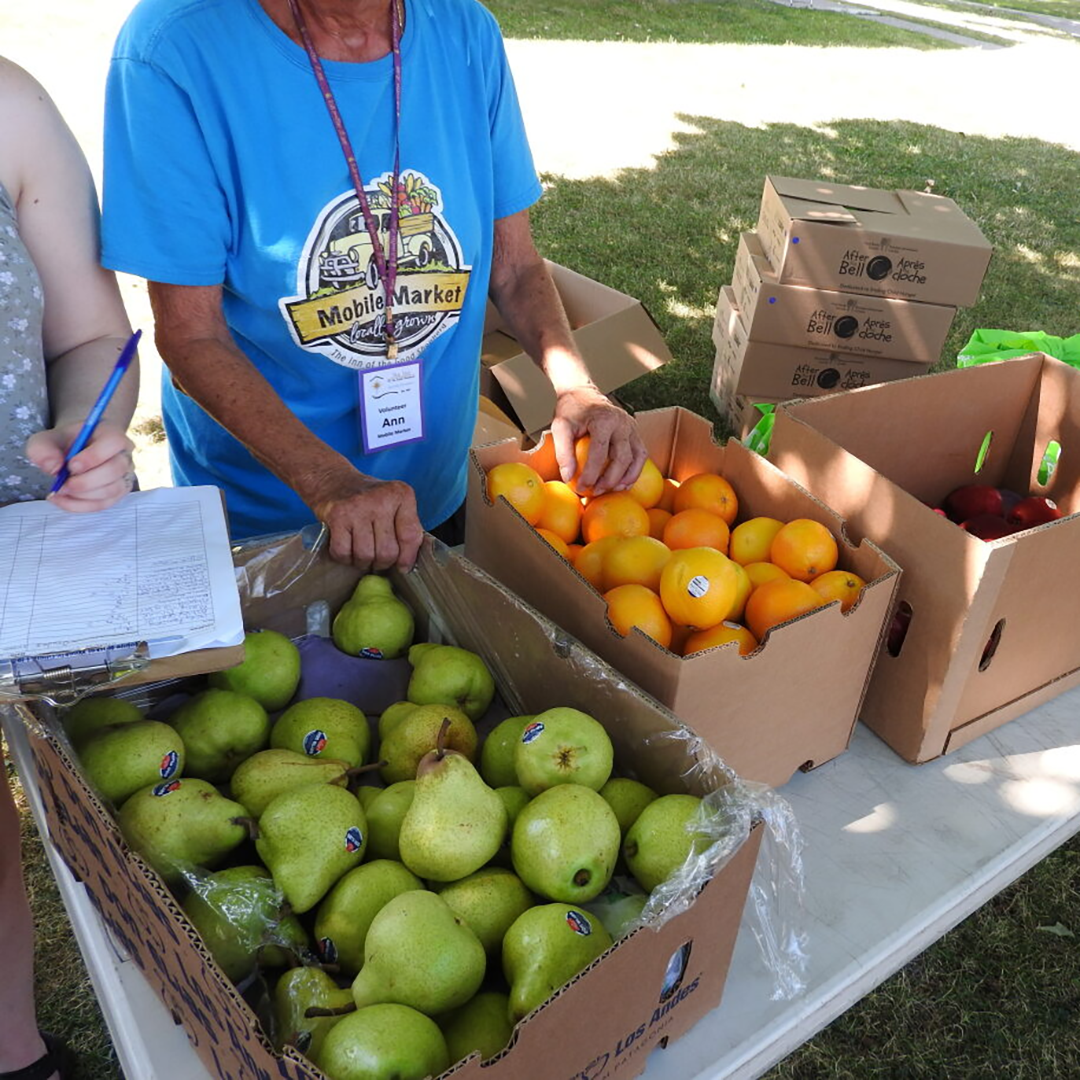
Sparking and Spreading Solutions
For all their differences, food banks across the country often face similar challenges. To help them learn from one another’s experiences and share solutions, Food Banks Canada’s Innovation and Knowledge Sharing program hosts conferences, trainings, and a digital communications platform for food bankers, among other opportunities to exchange knowledge.
As a new offering this year, we launched FBC Learning Labs, a quarterly series of topics — delivered via webinars, case studies, and other tools and resources — that enable food bankers to learn about promising practices, models, and trends in food banking. 114 people participated in the inaugural unit, which shared instructive examples of mobile food banking.
Special Programs

Tackling Hunger with Tax Clinics
Low incomes are at the root of food insecurity, and the government credits and benefits designed to supplement low incomes don’t reach everyone who’s entitled to them. In the spring of 2025, with assistance from free tax clinics based out of food banks, over 21,000 clients activated benefits they may not otherwise have received by filing their income taxes.
In collaboration with KPMG Canada, Food Banks Canada helped to dispatch experienced volunteer tax preparers to eight primary clinics. We also awarded 20 grants to strengthen pre-existing tax clinics. Together, the 28 sites put a total of $113.8 million into the pockets of food bank clients. “’Julia,’ a senior, and her son had not filed their taxes in over three years,” reported Unison at Kerby Centre in Calgary, one of the primary sites. “Without any T-slips and unsure of where to begin, they felt overwhelmed.” Thanks to the clinic, they claimed “a life-changing amount that brought immediate financial relief. This experience gave them a renewed sense of hope and stability.”
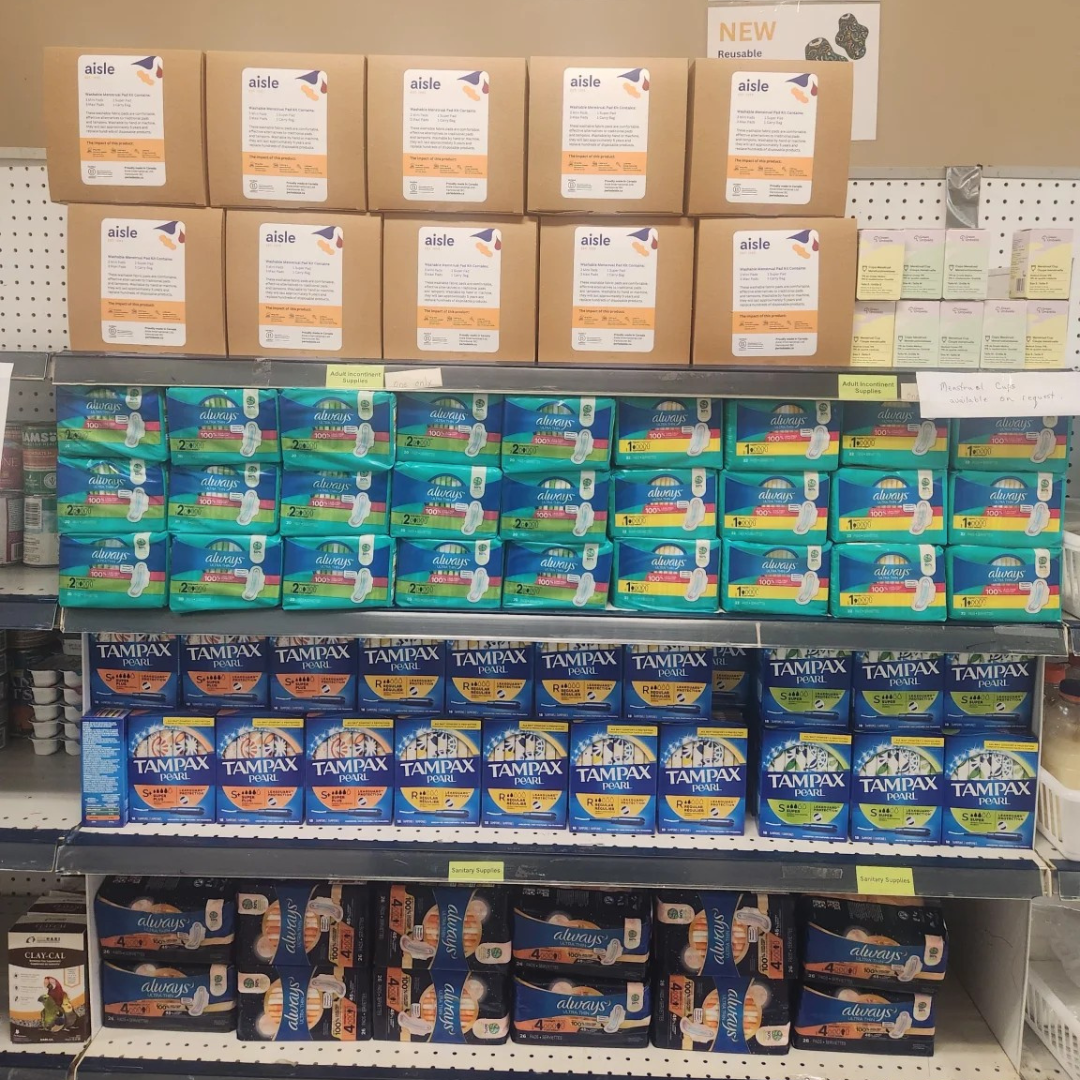
Addressing Period Poverty
Choosing between menstrual health and adequate nutrition is not a choice anyone should be forced to make, yet food banks see this reality every day. In 2023, Women and Gender Equality Canada (WAGE) selected Food Banks Canada to lead the Menstrual Equity Fund pilot project. Together, we distributed over 124 million menstrual products to over 6 million people with low incomes throughout Canada. This total includes 40 million menstrual products in fiscal year 2025-26.
Accessing menstrual products helps people stay in work and at school, preventing setbacks that can have lasting social and economic impacts. “One family had three menstruating daughters, and the cost per month was often unmanageable,” reported the Peter McKee Community Centre in Moncton. “The mother informed one of the volunteers that one daughter had missed a week of school because there wasn’t money to purchase these products. This program has had a greater impact than we could have imagined.”

Feeding Schoolkids’ Potential
Thanks to Agriculture and Agri-Food Canada, Food Banks Canada’s School Food Infrastructure Fund was able to invest $1.6 million this year in the infrastructure and equipment that food banks and other community nonprofits need to support or deliver school food programs. We granted the funds to a total of 24 organizations that used them to increase their capacity to provide food to local school programs, improve the availability of nutritious and culturally appropriate foods in those programs, and expand their reach and impact.
For example, Moisson Outaouais in Quebec used a Food Banks Canada School Food Infrastructure Fund grant to expand an existing school-lunch partnership into three new schools, allowing it to reach around 300 additional kids every weekday. “The young people are eating better and concentrating better,” reported one of the participating schools, l’École Côte-du-Nord. “The impact is really visible in the day-to-day.”
Thank Yous
Our work is only possible thanks to the partners and donors who support it. On behalf of Food Banks Canada, the food bank network and the clients it serves, a heartfelt thank you for being there to turn possibilities into reality!
We are immensely proud to work with these generous contributors, who are leading the way to a better future and inspiring other people and organizations to step forward as well.
Our Corporate Partners
Food Banks Canada gratefully acknowledges the following financial, consumer product, and in-kind transportation and warehousing donors for their compassion and commitment to helping people in need.
Transformational Partners
Visionary Partners

Mission Partners

Inspirational Partners

Leadership Partners

Guiding Partners
Champion Partners
Atlas Van Lines Canada Ltd.
Bailey Metal Products Ltd.
Bayer Inc.
BDO Canada
Canadian Apartment Properties REIT (CARPREIT)
Cargill Limited
Coca-Cola Canada Bottling Limited
Couche-Tard Inc.
Crate & Barrel
DHL Supply Chain
Ferrero Cananda Ltd.
Gay Lea Foundation
Healthy Planet
Kernels Popcorn
Keurig Canada Inc.
Kurdyak Family Foundation
Lactalis Canada – Black Diamond
Laura Canada
Lineage Foundation
Lyft
Maple Leaf Foods
Nextdoor Foundation
PPI Management Inc.
Skyline Group of Companies
Swiss Chalet®
Kololian Family
Wawanesa Insurance
Tim Hortons
Victory’s Kitchen
Zabiha Halal
McMillan Family Foundation

Partner Milestones
Food Banks Canada recognizes laudable milestones in our partners’ commitment to a Canada where nobody goes hungry. Many companies and organizations have been supporting our mission year after year, and their remarkable loyalty enables us to increase our impact strategically over time. Others have enabled many millions of meals for people in need over the years, or over one million in a single year. Partner milestone recognitions are based on the partner contributions in the calendar year of January through December.

2025 Partner Awards
Our Partner Awards program shines a spotlight on remarkable partners and their achievements, such as supplying valuable protein foods to food banks or providing the storage required to preserve and keep food until it reaches those in need. The honorees for calendar year 2025 were selected based on their total contributions during the year, the significance of their impact, and their engagement with our mission of relieving hunger today and preventing hunger tomorrow.

Our Individual Donors
We are deeply grateful to the donors whose generous gifts make our work possible. Your support helps Food Banks Canada strengthen food banks across the country so that more people can access the nourishment and support they need.
$5,000+
Marc and Margaret Ansell
Sarah Arsenault
Hélène Boudreau
Charles and Elena Buchan
Marion Curran
John Darling
Gwenda and Paul Davies
Douglas and Debbie Dawson
Léonie de Souza
David and Patricia Deane
Ann and Rob Ewan
Mr. N. Feigelsohn
John Grandy
Linda and Gordon Hoy
Nick and Laura Kietaibl
Jill Kitchen and Rob Robson
Charles Lacoste-Lépine
Linda J. Levesque
Leann Lim
Rod Lis
James Rayside
Alex Ward and MaxWell Devonshire Realty
Jeffrey G. Sturgeon
Jennifer Le Dain and Phil Symmonds
Mr. Jing Zhou

Pedaling with a Purpose
After retiring, Eric Paton knew he still had lots to give – and to discover. He purchased a bike and began training for long-distance rides. “What started as a personal challenge became something much bigger when I connected it to raising funds for Food Banks Canada,” Eric explains. Five months later, he rode across Canada in support of our After the Bell program.
Eric travelled 8,150km in 70 days, from Victoria to St. John’s. “Food banks are under increasing pressure as demand continues to grow across Canada,” he says. “What I saw riding across the country confirmed that this challenge is truly national.”

From Compassion to Action
At 83 years old, “Susan” finds herself becoming increasingly concerned about the prevalence of food insecurity in Canada. “The older I get, the more difficult it feels to see families struggling,” she says.
Now retired, Susan taught high school as well as being involved in many business enterprises over the years. When she discovered Food Banks Canada, she was impressed by the breadth of the network of affiliated food banks, the responsible fiscal stewardship, and the present- and future-oriented approaches.
Susan first donated four years ago and continues to give annually. She’s also made the generous decision to include Food Banks Canada in her will. “I feel very committed to this cause,” she shares. “I know it will take knowledgeable and dedicated people like those at Food Banks Canada to turn the tide of food insecurity.”
Thank You to the Provincial and Territorial Food Bank Associations
Thank You to Our Board of Directors
Peter Singer, Chair
Chairman | Thomas, Large & Singer Inc.
Ryan Bahadur, Vice Chair
Interim President and VP of Finance | Keurig Canada Inc.
Rosemary McCrie, Treasurer
Finance Consultant | McCrie & Mundy Professional Services
Ilya Bahar
Retired Partner | PWC
Vince Barletta
President and CEO | Harvest Manitoba
John Bayliss
Executive Vice President of National Supply Chain and Procurement | Metro Inc.
Linda Beairsto
Partner, McCarthy Tétrault & President, MT>Align
Marjorie Bencz
Executive Director | Edmonton’s Food Bank
Tony Chow
President | Coke Canada Bottling
Barbara Gosse
Managing Partner, Not-for-Profit Services | The Osborne Group
Mary-Jo Hewat
Senior Vice President, Human Resources & Facilities | Sagen MI Canada
Dany Hétu
Executive Director | Moisson Rive-Sud
Simon Laroche
President | The Kraft Heinz Company
The Honourable Percy P. Mockler
Retired Canadian Senator | The Province of New Brunswick
June Muir
Chief Executive Officer | UHC – Hub of Opportunities
Daman Thable-Rayat
Corporate Secretary and Counsel | Infrastructure Ontario
Download the 2026 Annual Report
Past Reports and Financial Statements