

Understanding the Impact of Food Insecurity:
Findings from a Participatory Action Research Study
- Summary
- Introduction
- Participatory Action Research
- About the Peer Research Team
- Data Collection, Recruitment, and Analysis
- Participant Characteristics
- Limitations of the Study
- Findings
- Overall Findings
- Income is not enough to meet basic needs
- Food insecurity takes a physical toll
- Food insecurity has emotional and mental health impacts
- Food insecurity affects work and education
- Food insecurity has wide-reaching impacts
- The broader social impacts of food insecurity
- Resilience and coping: Surviving, not thriving
- Food, dignity, and community
- Enduring effects of food insecurity over time
- Food insecurity is a vicious cycle
- Exploring emerging themes from the study with data from the Canadian Community Health Survey
- Recommendations
- Our recommendations
- Address the structural and affordability drivers of food insecurity
- Address food insecurity through coordinated health, housing, and social supports
- Reduce cost barriers to nutritious and culturally appropriate food
- Prioritize preventative supports that promote long-term stability
- Reduce stigma and improve access to supports
- Policy opportunities consistent with these findings and Food Banks Canada’s advocacy efforts
- Federal government
- Provincial and territorial governments
- Municipal governments
- Conclusion
- Acknowledgements
- References
Summary
This participatory action research (PAR) study explored the impacts of food insecurity through the lived experiences of 101 participants across seven provinces and territories in Canada. The findings demonstrate that food insecurity means more than simply a lack of food; it affects participants’ financial stability, physical and mental health, educational and employment opportunities, social relationships, and overall well-being.
Food insecurity was characterized by persistent financial strain and difficult trade-offs between food, housing, healthcare, transportation, and other essential needs. Eighty per cent of the survey respondents reported that food did not last and they could not afford to buy more, 79% could not afford balanced meals, 73% delayed or avoided medical care because of food costs, and 69% reported taking on debt to purchase food. Participants described food insecurity as a cyclical and cumulative experience in which financial hardship, poor health, and reduced participation in work, education, and community life reinforced one another over time.
Despite significant challenges, participants demonstrated resilience through a range of coping strategies. However, the findings suggest that many of these strategies are geared toward survival in the immediate term rather than long-term stability. Participants emphasized that food insecurity is driven primarily by inadequate income and rising living costs, highlighting the need for structural solutions that strengthen income security, improve access to affordable nutritious food, reduce stigma, and address the broader social and economic conditions that contribute to food insecurity.
Introduction
Food insecurity is closely linked to broader social and economic challenges — with wide-ranging impacts on health, education, and workforce participation — and is a significant public health and policy issue in Canada. Health Canada defines household food insecurity as inadequate or insecure access to food because of financial constraints and classes it as an important determinant of health (Health Canada, 2020). Recent Statistics Canada data show the growing scale of the issue and its connection to persistent inequities in income and ability to meet the costs of living.
Research has linked food insecurity to increased healthcare costs and a range of adverse physical and mental health outcomes (Gundersen & Ziliak, 2015; Tarasuk et al., 2015). At a systems level, these impacts contribute to increased use of healthcare services, reduced productivity, and greater demand on social and support services. It is important to understand and recognize these broader and interconnected impacts, as food insecurity affects many individuals and households who may not be captured by traditional measures of poverty.
Food insecurity is not shaped by individual choices. It is shaped by structural and systemic factors. Rising housing costs, precarious employment, and inadequate income supports contribute to ongoing financial strain, forcing individuals and families to decide between buying food and paying for other basic needs, such as rent or medication. These difficult decisions reinforce cycles of poverty and disadvantage.
While quantitative research has provided important insights into some of the wider impacts of food insecurity, there remain gaps in understanding of the lived experiences of this issue and the full scope of its impacts across multiple domains. Quantitative data offer valuable population-level information but may not fully capture individuals’ day-to-day realities, coping strategies, and the emotional and social impacts of food insecurity.
Participatory action research (PAR) offers an opportunity to address these gaps by centring lived experience and engaging affected individuals directly in the research process. By involving peer researchers with lived experience of food insecurity, PAR generates more nuanced, context-rich insights and supports the development of findings that are grounded in real-world experiences. It also promotes greater equity and inclusion in the research process, ensuring that those most affected by food insecurity contribute to how it is understood and addressed.
Participatory Action Research
PAR is grounded in collaboration, participation, and action and aims not only to generate knowledge but also to inform meaningful change (Fals-Borda, 1987). This approach emphasizes the involvement of individuals with lived experience, including peer researchers, to ensure that findings reflect real-world conditions and priorities. By centring lived experience, PAR can produce more relevant, inclusive, and actionable insights for policy and practice. This makes it particularly well suited to research on food insecurity, a complex and multifaceted issue shaped by social, economic, and structural factors. To understand the impacts of food insecurity, we need to use approaches that can capture lived realities and context. PAR creates space for participants to contribute to how issues are defined, explored, and interpreted, leading to more relevant and grounded findings.
About the Peer Research Team
The peer research team included nine peer researchers and one peer research assistant. They came from Alberta, British Columbia, Nunavut, Ontario, and Saskatchewan, and had diverse life circumstances and experiences of and connections to food insecurity. They also fell into a variety of age groups, and this combination of differences meant they brought a broad range of perspectives to the research.
Peer researchers were engaged in all aspects of the project, including shaping the research questions, developing interview guides, recruiting participants through their own networks, conducting interviews, contributing to data analysis and the drafting of memos, and supporting knowledge mobilization and dissemination activities.
Regular virtual meetings were held via Zoom to support collaboration, reflection, and ongoing feedback throughout the project. These meetings created space for shared decision-making, collective interpretation of findings, and continuous refinement of the research process.
Data Collection, Recruitment, and Analysis
This study involved 101 participants from seven provinces and territories across Canada. Data were collected via a community survey with all 101 respondents, 92 one-to-one interviews, and field notes and memos generated by peer researchers throughout the research process.
Participants were recruited through peer researchers’ networks, community outreach, and word of mouth. This approach made it possible to engage individuals with lived experience of food insecurity across diverse geographic and social contexts.
The participants represented a range of demographic factors, including age, gender, and region. Data collected through the survey included demographic information, indicators of food insecurity, and related socioeconomic factors.
The survey data were analyzed using descriptive statistics to summarize participant characteristics. Interview data, field notes, and memos were analyzed using a thematic approach. The research team identified preliminary themes and discussed them with the peer researchers during regular virtual meetings. These discussions provided opportunities to reflect on and refine interpretations, ensuring that findings were grounded in lived experience.
Participant Characteristics
The majority of the participants identified as female (77%), followed by male (20%), and non-binary (2%); 1% preferred not to answer. The 35–44 age group accounted for the highest proportion of participants (28%), followed by the 18–24 (22%) and 25–34 (24%) age groups. The remaining participants were aged 45–54 (13%), 55–64 (9%), or 65 and older (3%), or preferred not to answer (2%).
The participants were located across seven provinces and territories: British Columbia (34%), Ontario (23%), Saskatchewan (17%), Nunavut (12%), Alberta (11%), Nova Scotia (2%), and Yukon (2%). They also identified with a range of racial and ethnic backgrounds. The largest proportion identified as white (46%), followed by Indigenous (33%), Black (7%), South Asian (6%), Middle Eastern (6%), Southeast Asian (1%), and Hispanic or Latin (1%).
The high proportion of Indigenous participants highlights the importance of considering food insecurity within the context of ongoing social, economic, and geographic inequities.
In terms of household composition and relationship status, nearly half of the participants (48%) reported having no children living at home. Forty-seven per cent identified as single, 25% as common-law or married, 19% as being in a relationship, and 7% as separated or divorced, and 3% preferred not to answer.
Employment status varied across participants, but 35% reported being employed full-time, 19% part-time, and 18% unemployed. The remainder of the group identified as students (9%), unable to work (8%), retired (4%), self-employed (1%), or in other employment situations (4%); 2% preferred not to answer.
Household income was primarily concentrated in the lower income brackets, but the main source of income was employment (56%). Five per cent of the respondents reported that credit or loans were their main source of income, 23% reported social assistance, 8% reported disability income, and 21% reported the Canada Child Benefit. Thirty-seven per cent reported annual household incomes of less than $24,999, and 19% reported incomes between $25,000 and $34,999. The remaining participants reported incomes of $35,000–$44,999 (3%), $45,000–$54,999 (5%), $55,000–$64,999 (5%), and $65,000 or higher (12%). Twenty per cent preferred not to disclose their income.
The participants represented a diverse range of life circumstances, and included students, full-time workers, newcomers to Canada, individuals living on disability or social assistance, and families with multiple children. They were all experiencing, or had experienced, food insecurity, which reinforces that it is not confined to a single population. (See Table 1.)
Participants also identified key life events that contributed to or intensified food insecurity, including illness, job loss, relationship breakdown, migration, and housing instability (65% of participants reported that they rented their homes). These events often resulted in sudden financial strain and long-term challenges in meeting basic needs.
Table 1. Demographic characteristics of the study participants (N = 101)
| Demographic characteristic | Response category | Percentage of participants |
|---|---|---|
| Gender identity | ||
| Female | 77% | |
| Male | 20% | |
| Non-binary | 2% | |
| Prefer not to answer | 1% | |
| Age group | ||
| 18-24 | 22% | |
| 25-34 | 24% | |
| 35-44 | 28% | |
| 45-54 | 13% | |
| 55-64 | 9% | |
| 65+ | 3% | |
| Prefer not to answer | 2% | |
| Race/Ethnicity | ||
| White | 46% | |
| Indigenous (First Nations, Métis, or Inuit) | 33% | |
| Black | 7% | |
| South Asian | 6% | |
| Middle Eastern | 6% | |
| Southeast Asian | 1% | |
| Hispanic/Latin | 1% | |
| Relationship status | ||
| Single | 47% | |
| Common-law or married | 25% | |
| In a relationship | 19% | |
| Separated or divorced | 7% | |
| Prefer not to answer | 3% | |
| Region | ||
| British Columbia | 34% | |
| Ontario | 23% | |
| Saskatchewan | 17% | |
| Nunavut | 12% | |
| Alberta | 11% | |
| Nova Scotia | 2% | |
| Yukon | 2% | |
| Housing status | ||
| Renting | 65% | |
| Own home | 12% | |
| Living with others and assisting with rent/mortgage | 12% | |
| Living with others but not paying rent/mortgage | 5% | |
| Unhoused or temporary/transitional housing | 4% | |
| Living with friends/family | 2% | |
| Income | ||
| $24,999 or under | 37% | |
| $25,000 – 34,999 | 19% | |
| $35,000 – 44,999 | 3% | |
| $45,000 – 54,999 | 5% | |
| $55,000 – 64,999 | 5% | |
| $65,000+ | 12% | |
| Prefer not to answer | 20% | |
| Employment Status | ||
| Full-time | 35% | |
| Part-time | 19% | |
| Unemployed | 18% | |
| Student | 9% | |
| Unable to work | 8% | |
| Retired | 4% | |
| Self-employed | 1% | |
| Other | 4% | |
| Prefer not to answer | 2% | |
Limitations of the Study
As this was a community-based PAR study, the findings are intended to provide in-depth insight into the participants’ experiences and perspectives specifically and are not statistically generalizable to the broader Canadian population. In addition, the participants were recruited through the peer researchers’ networks, community outreach, and word of mouth, so the findings should be interpreted as context-rich accounts of lived experience rather than representative estimates. The strength of the PAR approach lies in its ability to capture nuanced experiences, impacts, and perspectives that may not be fully reflected in population-level surveys.
Findings
The findings are organized across key domains that reflect the participants’ experiences of food insecurity, including financial, physical, emotional, and social impacts. Across these domains, participants described the interconnected and cumulative nature of food insecurity, highlighting how financial strain shapes their daily decisions and contributes to broader impacts on their health, well-being, and participation in work, education, and community life. The themes presented below draw on both survey and interview data and are supported by participant quotes to illustrate lived experiences.
The survey findings demonstrated the severity of food insecurity experienced by participants in this study and highlighted both the prevalence of food insecurity and its broader impacts across multiple areas of life. Participants’ experiences reflected interconnected challenges across financial, health, relational, and daily life domains, providing important context for the qualitative themes explored throughout this section. (See Table 2.)
Table 2. Participants’ experiences of food insecurity
| Food insecurity experience | % of participants |
|---|---|
| Food purchased did not last and could not afford more | 80% |
| Could not afford balanced meals | 79% |
| Ate less than they felt they should due to lack of money | 67% |
| Ate smaller meals or skipped meals due to financial constraints | 66% |
| Were hungry but did not eat because they could not afford food | 56% |
The survey respondents in this study frequently revealed indicators of both food insecurity and financial strain. Many reported challenges in accessing sufficient and nutritious food, in addition to broader financial pressures, or described taking on debt to purchase food and delaying or avoiding medical care or medication because of financial constraints. (See Table 3.)
Table 3. Broader impacts of food insecurity
| % of participants | Impact experienced |
|---|---|
| 73% | Delayed or avoided medical care or could not afford medication |
| 72% | Worry about having food caused conflict in personal relationships |
| 69% | Avoided social gatherings due to not being able to contribute or pay for meals |
| 69% | Took on debt to buy food |
| 68% | Increased stress, depression, and anxiety |
| 28% | Estimated that 20-40% of monthly income was spent on food |
Together, these findings demonstrate that food insecurity extends beyond access to food. Participants reported impacts on their physical health, mental well-being, relationships, financial stability, and social participation. The qualitative findings that follow provide deeper insight into how these interconnected challenges were experienced in daily life and the cumulative effects they had on overall well-being.
Overall Findings
Income is not enough to meet basic needs
Participants consistently described their income as insufficient to meet their basic needs. Housing and food costs consumed most or all of their income, leaving little for other essentials such as utilities, transportation, and healthcare. Many participants described ongoing trade-offs between paying rent, purchasing food, and covering other necessary expenses.
“Income support isn’t even enough for groceries, let alone anything else.”
— Participant quote
“Her rent and utilities are 95% of her income. She has to choose basic needs over other basic needs.” — PR reflection
“I couldn’t afford to pay for everything and buy food. I chose to pay rent and stay hungry.”
— Participant quote
“It was either rent, bills or food.”
— Participant quote
They also explained how they managed ongoing shortfalls by relying on credit, borrowing, or other forms of financial coping. While these strategies helped participants meet immediate needs, they contributed to longer-term financial strain, including debt accumulation, damaged credit, and the need to sell personal assets or delay essential payments.
Buying food was consistently mentioned as a lower priority than paying for rent, utilities, and other essential costs. This meant participants had a reduced food intake or relied on lower-cost food options. Transportation costs and access further limited food access, with some participants unable to afford to travel to grocery stores or essential services.
Financial strain also had broader and longer-term impacts, with participants describing missed opportunities to participate in education, social events, and key life experiences because of limited resources. In addition, they noted that financial strain affected their daily functioning — it drained their energy, left them fatigued, and made it difficult to concentrate at work and school, all of which negatively affected their productivity and performance.
Overall, food insecurity was closely linked to broader issues of income instability and the rising cost of living, reinforcing the challenges participants faced in meeting their basic needs.
Food insecurity takes a physical toll
Many participants described significant and ongoing physical health impacts associated with food insecurity — for example, persistent exhaustion, low energy, weakness, dizziness, hunger pain, and difficulty concentrating. These symptoms were often linked to inadequate food intake, skipped meals, and limited access to nutritious food, and some participants described experiencing them daily.
“Sometimes it got so bad . . . I couldn’t sleep because of the hunger pains.”
— Participant quote
“I would get so weak from not eating sometimes.”
— Participant quote
Participants emphasized that these physical effects of food insecurity were not occasional, but persistent and cumulative. They noted that ongoing fatigue and low energy made it difficult to complete daily tasks, maintain their routines, and engage in work or education, and that hunger and poor nutrition contributed to reduced physical functioning and overall poorer health. In addition, they described the difficulty accessing nutritious food and how they often relied on lower-cost, less healthy options, which contributed to issues such as weight changes, vitamin deficiencies, and worsening health conditions.
“I am gaining weight due to eating cheaper products like hotdogs and fried cheap food rather than healthy balanced food.”
— Participant quote
“The biggest impact has been health issues . . . not being able to buy the foods that don’t hurt, like fresh fruits and veg . . . processed food hurts, but I have to eat it.”
— Participant quote
The high cost of nutritious and culturally appropriate food shaped dietary choices, with many participants noting that financial constraints often led them to rely on less nutritious options or foods that did not fully reflect their cultural preferences and needs.
“Access to healthy products like fruits and vegetables is more expensive . . . most people opt to consume processed foods with low nutritional value.” — Participant quote
In addition, participants described how food insecurity intersected with other health-related needs. Many of them described making trade-offs between food, medication, and other essential expenses, often delaying or forgoing medical care, which made it difficult to manage chronic or acute health conditions. These overlapping pressures further intensified the physical impacts of food insecurity.
Participants also described difficult trade-offs between food, medication, and other essential needs, with some facing decisions that directly affected their health and access to care.
“I had to choose either between eating or my insulin . . . it’s either food or insulin.”
— Participant quote
“There have been many times where I had to choose between buying food and getting medical care.”
— Participant quote
“I had to choose between medication and utilities.”
— Participant quote
“I cancelled my cancer check because we didn’t have enough fuel to get there and back.”
— Participant quote
Overall, the findings highlight how food insecurity directly affects physical well-being beyond immediate hunger, with consequences that influence daily functioning, health management, and quality of life. These findings suggest that food insecurity is not only a nutritional issue but also a barrier to maintaining basic physical functioning and health management.
Food insecurity has emotional and mental health impacts
Participants described significant emotional and mental health impacts associated with food insecurity. Experiences of chronic stress and anxiety were common and were often linked to ongoing financial strain and uncertainty about meeting basic needs. Many participants described feeling overwhelmed by the constant pressure of managing limited resources and making difficult daily trade-offs.
“It is severe on your mental health . . . I have suffered depression and anxiety over it.”
— Participant quote
“It’s a real loss of hope.”
— Participant quote
“I feel very drained . . . like I’m just struggling to survive.”
— Participant quote
“Food insecurity created lasting emotional strain, including embarrassment, anxiety about running out of food, and a deep sense of responsibility that shaped her mental health well into adulthood.” — PR reflection
Feelings of shame and stigma, particularly when accessing supports such as food banks or asking for help, were also mentioned. These emotional responses were often compounded by societal perceptions and internalized beliefs about self-sufficiency and success.
The ongoing nature of food insecurity contributed to a feeling of being stuck and having limited opportunities to improve their circumstances, and participants spoke about a growing sense of hopelessness and emotional exhaustion. This emotional burden often intersected with physical health challenges and further affected participants’ ability to cope with the demands of daily life.
Overall, these findings highlight the significant psychological impacts of food insecurity and show how emotional well-being is closely tied to financial strain, access to resources, and broader social conditions.
Food insecurity affects work and education
Participants described how food insecurity directly affected their ability to engage in work and education. For example, low energy, persistent fatigue, and difficulty concentrating were commonly reported and were often linked to inadequate food intake and ongoing stress. These challenges made it difficult to maintain focus, complete tasks, and perform effectively in both academic and workplace settings. Some noted that food insecurity affected their attendance at work or school; others said it limited their ability to pursue training, education, or career advancement.
“There’s days when I would go to school without having a lunch or barely anything.”
— Participant quote
“Food insecurity affected focus, productivity, and both school and work performance.”
— PR reflection
Food insecurity also shaped participants’ ability to participate more broadly in school, work, and community life. Limited financial resources and ongoing stress reduced their participation in extracurricular activities, workplace events, and social opportunities connected to school and employment. Some participants described avoiding situations where food or financial contributions were expected, and others withdrew from social activities completely. One participant noted, “I don’t go out unless I have to,” and another explained, “I wasn’t able to invite friends over . . . When you are not able to manage food for yourself, how can you invite others over?”
Such effects of food insecurity were often described as cumulative, with ongoing strain making it difficult to improve financial stability over time. In this way, food insecurity not only affected immediate functioning, but also had implications for longer-term economic and educational outcomes.
Overall, these findings highlight how food insecurity can limit economic mobility and long-term stability by reducing participation in work, education, and related social activities.
Food insecurity has wide-reaching impacts
Participants described the economic impacts of food insecurity at both individual and societal levels, emphasizing that even people who are employed can experience financial strain. Many highlighted a disconnect between effort and outcomes, noting that despite working or actively trying to improve their situation, they remained unable to achieve food security. Participants also identified wider implications, including reduced workforce productivity and increased strain on public systems such as healthcare.
“It impacts even when working. I had to go to work hungry . . . work a job cleaning a three-story building hungry because I couldn’t afford to eat.”
— Participant quote
“We aren’t making enough money to provide food and other things a human needs.”
— Participant quote
Rising costs, including housing, transportation, and basic living expenses, were frequently identified as key drivers of limited access to food.
“The prices are highly expensive . . . leaves a lot of people with not enough money for food after bills, living expenses, gas, bus etc.”
— Participant quote
“A big majority of Canadians cannot afford to live, let alone pay for food with everything going up.”
— Participant quote
Participants also pointed to broader structural and economic implications, including impacts on productivity and increased strain on public systems.
“There’s increased strain on the healthcare system, and reduced productivity in schools and workplaces.”
— Participant quote
“The compounding of impacts of increased costs for healthcare services, loss of productivity, crime, and housing unaffordability.”
— Participant quote
Overall, these findings highlight how food insecurity is deeply embedded within broader financial instability and is perceived by participants as having wider economic and societal impacts, including reduced productivity and increased demand on public systems.
The broader social impacts of food insecurity
Participants described how food insecurity affected their relationships, social participation, and sense of belonging. Ongoing financial strain and uncertainty contributed to social withdrawal and reduced engagement in community and social activities.
“What you need in that time is community, and it isolates you.”
— Participant quote
“I don’t go out unless I have to.” — Participant quote
“I don’t want to invite people over because I don’t have stuff to offer them.”
— Participant quote
Some participants described avoiding social situations because of a lack of resources — for example, they felt unable to host others, participate in shared meals, or engage in activities that required spending money. These experiences contributed to feelings of isolation and disconnection from friends, family, and community.
Food insecurity was also described as affecting family dynamics and relationships. The stress associated with meeting basic needs and managing limited resources placed strain on households, particularly for those who are responsible for providing for others.
These findings highlight how food insecurity can limit social participation and contribute to social exclusion, reinforcing broader inequities and affecting overall well-being and community connection.
Resilience and coping: Surviving, not thriving
Despite significant challenges, participants described a range of strategies to cope with food insecurity. These included rationing food, prioritizing essential expenses, going without food, and relying on community supports such as food banks, family, and social networks.
“You have no choice but to keep going.”
— Participant quote
“We’re fortunate to have the food bank or we wouldn’t make it.”
— Participant quote
“You’re just in survival mode . . . We’re doing this again tomorrow.”
— Participant quote
Participants emphasized that such strategies were often necessary for day-to-day survival but did not address the underlying causes of food insecurity. Many described living in a constant state of managing and adapting, rather than being able to achieve stability or long-term well-being.
In many cases, participants’ coping strategies involved personal sacrifice. Some described going without food so that others, particularly children, could eat. One participant noted, “I often just feed my granddaughter, and I eat once a day,” and another described “stay[ing] hungry to ensure children could eat.”
While some participants spoke about maintaining hope and trying to stay positive, the ongoing nature of their circumstances made these feelings difficult to sustain. Participants also relied on external support systems, including food banks, family members, friends, and community networks, to help manage immediate needs. While these supports were critical, they were not always enough to reduce longer-term stress or create lasting stability.
Participants also described becoming increasingly resourceful and developing a range of skills to deal with food insecurity, including budgeting, meal planning, cooking, preserving food, growing food, and sourcing food through alternative means. One participant noted that she was “really proud” of the skills she had gained, including gardening, planning, seasonal eating, cooking substitutions, budgeting, and preservation methods. Despite dealing with their own challenges, some participants also expressed a desire to support others in similar situations. Another participant described becoming more mindful and intentional in their approach to food, explaining that they had “changed how [they] viewed food . . . reduce[d] waste . . . and [would] maybe donate as people did for [them].”
Overall, these findings highlight both the resilience of participants and the limitations of coping strategies in the context of persistent food insecurity, reinforcing the need for systemic and long-term solutions.
Food, dignity, and community
Participants emphasized that food is not only a basic need but also a source of connection, dignity, and community. Food insecurity was often described as extending beyond physical hunger, highlighting the social and emotional significance of food in daily life.
Participants’ reflections also suggest that meaningful food access is not only about having enough to eat, but about being able to access food in ways that support dignity, culture, identity, and community connection.
Participants described how food insecurity can undermine dignity, particularly when individuals feel judged or stigmatized for needing support, and many emphasized the importance of compassion, understanding, and community-based responses.
There was also a strong call for greater awareness of food insecurity and more engagement from people who are not experiencing it. Participants highlighted the value of community involvement, including volunteering and efforts to better understand the realities of food insecurity.
Taken together, these quotes show that participants understood food insecurity not only as a lack of food, but as an experience shaped by affordability pressures, stigma, the need for compassion when seeking help, and the importance of community involvement in reducing judgment and strengthening connection.
“Food is what connects community together.”
— Participant quote
“Food is not a luxury, but it seems to be becoming a luxury.”
— Participant quote
“Don’t be embarrassed or afraid to ask for help.”
— Participant quote
“Don’t judge people that are struggling.”
— Participant quote
“I just want people . . . to come and volunteer and understand.”
— Participant quote
Overall, these reflections underscore the importance of addressing food insecurity in ways that promote dignity, reduce stigma, and strengthen community connection, in addition to improving access to adequate and affordable food.
Enduring effects of food insecurity over time
Participants described food insecurity as an experience that extended far beyond immediate hunger, noting that it shaped their identities, behaviours, relationships, and outlook over time. Many spoke about a persistent sense of scarcity, characterized by ongoing worry, future-oriented planning, and anxiety related to food access. Even when their circumstances improved and food insecurity became less immediate, these concerns often remained. One participant described the experience as a “mental scar” that continued to influence their decision-making even after their food insecurity had lessened.
Food insecurity also reshaped participants’ relationships with food. Some participants described how food was no longer a source of enjoyment but simply a necessity for survival.
“I don’t enjoy food like I used to.”
— Participant quote
Experiences of food insecurity also affected social connections and identity. Some participants described becoming more withdrawn or isolated, often because of shame, lack of resources, or fear of judgment.
“[Food insecurity] made me an introvert. It made me not like to be with people.”
— Participant quote
“I try to avoid them [family members and friends] most of the time.”
— Participant quote
Participants also described impacts on trust, belonging, and relationships with institutions and community. For some, trust was damaged by repeated experiences of unmet need, uncertainty about whether support would be available, and feeling judged or unsupported when they sought help. These experiences made it harder to rely on organizations, systems, or other people, even when support was urgently needed.
“I don’t trust people. I don’t trust institutions.”
— Participant quote
However, some reported increased empathy and a stronger sense of responsibility toward others facing similar challenges.
Food insecurity influenced participants’ priorities, decision-making, and future planning across their life course. Participants described delaying major life decisions, including having children, because of financial instability.
“I definitely want to wait until I’m financially stable to have kids.”
— Participant quote
Overall, these findings highlight how food insecurity manifests as an enduring and cumulative experience that shapes how individuals think, feel, relate to others, and plan for the future. These findings point to a broader pattern of financial, physical, and emotional impacts that are interconnected and mutually reinforcing and compound over time.
Food insecurity is a vicious cycle
Participants’ experiences reflected a cyclical pattern of financial strain, limited access to food, and impacts on physical and mental health reinforcing one another over time. Rather than being isolated challenges, these factors interacted in ways that compounded their effects and created ongoing barriers to stability and well-being.
Financial strain limits access to adequate and nutritious food, which in turn contributes to physical health impacts such as fatigue, low energy, and difficulty managing existing health conditions. These health impacts often affect participants’ ability to work, study, and carry out daily responsibilities, further restricting their income generation and reinforcing their financial instability. Emotional stress, anxiety, and social isolation further intensified these challenges, making it more difficult to cope with daily demands or pursue opportunities for improvement.
These interconnected effects contributed to a cycle that was difficult to break. Even when circumstances temporarily improved, participants described persistent impacts that continued to negatively shape their decision-making, behaviours, and access to resources over time. This cycle contributed to ongoing challenges in maintaining stability, participating in work and education, and improving overall well-being. (See Figure 1, which presents a conceptual cycle of food insecurity based on the participants’ experiences.)
These findings highlight that food insecurity cannot be effectively addressed through isolated or short-term responses. Instead, they point to the need for coordinated, structural, and preventative approaches that address the interconnected factors sustaining this cycle.
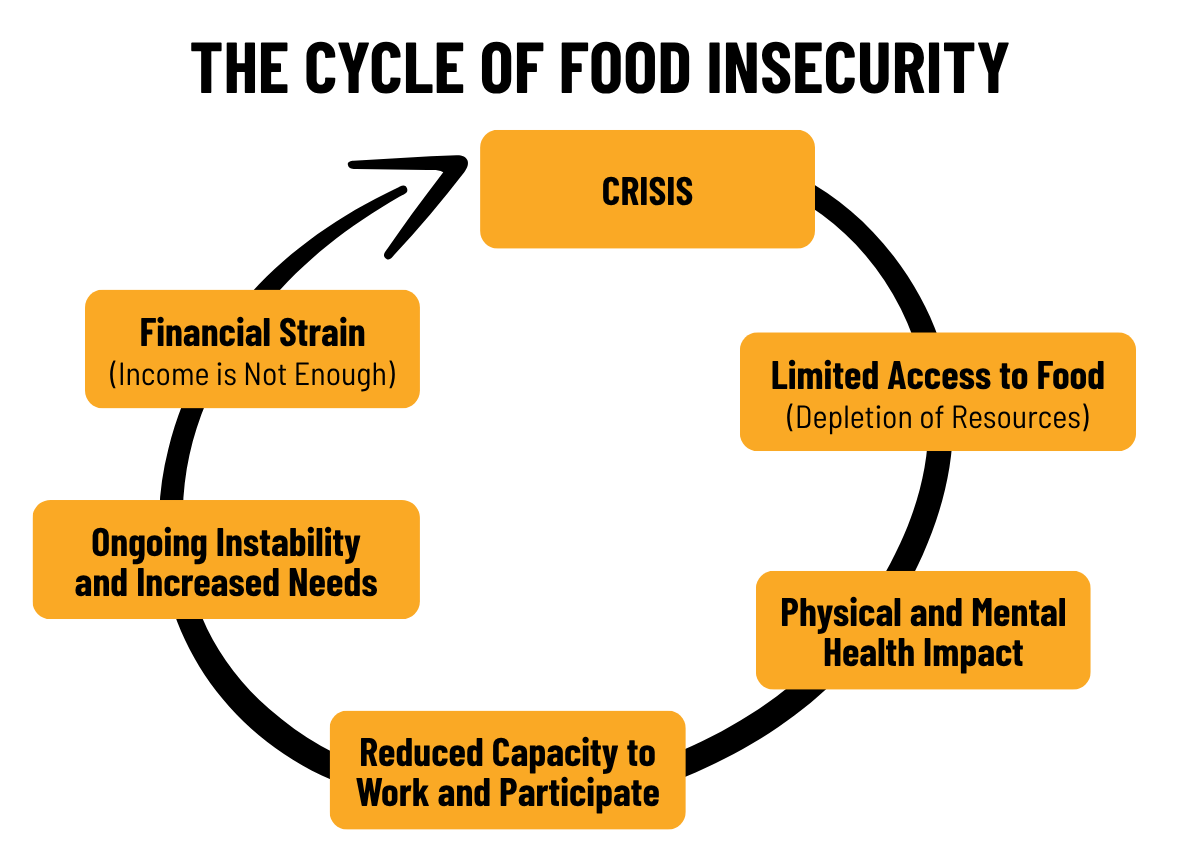
Figure 1. The cyclical relationship between financial strain, food access, health impacts, and participation in work and education.
Taken together, the findings demonstrate that food insecurity affects far more than access to food alone. Participants described interconnected impacts across financial, physical, emotional, social, educational, and economic domains. These impacts were often cumulative and mutually reinforcing, contributing to ongoing challenges in maintaining health, stability, and participation in daily life. The findings also suggest that food insecurity not only directly affects individuals and households, but also has broader implications for communities, workplaces, and healthcare and social support systems. Table 4 summarizes the impacts of food insecurity identified by participants throughout the study.
Table 4. Summary of the impacts of food insecurity participants identified
| Domain | Examples of impacts participants identified |
|---|---|
| Financial | Debt, unpaid or late-paid bills, housing insecurity |
| Physical health | Hunger, fatigue, delayted medical care |
| Mental health | Stress, anxiety, hopelessness |
| Education & work | Reduced concentration and/or productivity |
| Social | Isolation, reduced participation, stigma |
| System level | Healthcare strain, reduced productivity |
Exploring emerging themes from the study with data from the Canadian Community Health Survey
Themes generated from PAR studies can help to guide analysis of large population-level data sets. For this study, for example, many of the themes and insights generated from the peer research informed the selection of variables in public use microdata files from the Canadian Community Health Survey (CCHS). The CCHS is a large-scale survey of the Canadian population administered by Statistics Canada and includes a range of indicators that assess health status, levels of food insecurity, and overall well-being. An analysis of the correlations between food insecurity and selected CCHS variables helps assess whether the key findings of the PAR study are reflected in the experiences of the general population.
When various indicators of well-being are cross-tabulated with household food-insecurity status, the results of our CCHS analysis are consistent with the findings from the PAR study. They show that people who are experiencing food insecurity are significantly more likely to rate their overall and mental health as fair or poor, to perceive their life stress to be quite a bit or extremely stressful, and to have a somewhat weak or very weak sense of belonging to their local community. (See Figure 2.)
Figure 2: Key CCHS indicators (people who are food secure vs. insecure).
Food secure
Food insecure
Source: 2022 Canadian Community Health Survey: Public Use Microdata File
As participants described the impacts of food insecurity, many spoke not only about health challenges but also about how food insecurity affects relationships and community life.
“Food insecurity has fractured families and her community.”
— PR reflection
Numerous academic studies have explored the impact of food insecurity on mental and physical health, but relatively few Canadian studies have explored the potential impact of food insecurity on interpersonal relationships, self-belief, and community.
“Food insecurity has affected her social relationships significantly, because she thinks it’s a personal failure . . . it has made it hard for her to participate in many community social events, because she cannot always afford the transportation or the food.”
— PR reflection
In addition to reinforcing the well-established relationship between food insecurity and poorer physical and mental health, the CCHS data also supports and strengthens the themes identified through the participatory research, highlighting the association between food insecurity, social isolation, strained interpersonal relationships, and weakened community connectedness.
Analysis of the CCHS data shows that people living in households that are food insecure are more likely to be dissatisfied with themselves, their relationships with family or friends, their leisure time, or their neighbourhoods. (See Figure 3.)
Figure 3. Extent of satisfaction with various indicators (people who are food secure vs. food insecure).
Food secure
Food insecure
Source: 2020 Canadian Community Health Survey: Public Use Microdata File
“Food insecurity has caused her stress and tension at home, getting irritated and arguing when communicating with her mom.”
— PR reflection
“Food insecurity has affected his health and his relationships. It affected his sleep, and he is getting easily angry which has caused him to lose some of his friends, he his feeling weak at work and school and this has affected his school performance as well.”
— PR reflection
Furthermore, analysis of the CCHS data shows that people who are food insecure are less likely to have a sense of emotional security or well-being, to have someone with whom they can discuss important decisions, to feel their competence or skills are recognized, to be part of a group who share attitudes and beliefs, or to have people they can count on in an emergency. (See Figure 4.)
Figure 4. Perceptions of relationships and networks (people who are food secure vs. people who are food insecure).
Food secure
Food insecure
Source: 2020 Canadian Community Health Survey: Public Use Microdata File
Taken together, the findings from both our PAR study and the CCHS analysis suggest that food insecurity should not be understood solely as a problem of insufficient food. Rather, it is a broad range of challenges that affect health, relationships, social participation, and community belonging. Food insecurity is closely linked to poorer mental health, increased stress, reduced satisfaction with multiple aspects of life, and weaker social and community connections. These combined findings highlight the far-reaching consequences of food insecurity and suggest that efforts to reduce food insecurity have the potential to improve not only nutritional well-being but also the social and emotional well-being of individuals, families, and communities.
Recommendations
The findings from the PAR and CCHS analysis point to the need for structural and preventative approaches that address the root causes of food insecurity, rather than short-term responses. While emergency food supports remain an important source of assistance for many individuals and families, participants’ experiences demonstrate that these supports are insufficient on their own to address the underlying drivers and long-term impacts of food insecurity. Addressing food insecurity requires complementary policies, systems, and community-based responses that improve income security and reduce barriers to making it possible to meet basic needs.
The participants’ experiences reflect a cyclical pattern in which financial strain, limited food access, and health impacts reinforce one another over time. Breaking this cycle requires coordinated efforts that prioritize income security, reduce stigma, and support long-term, community-informed solutions.
Our recommendations
The recommendations below are grounded in the experiences and perspectives shared by participants throughout this PAR study. They reflect key themes that emerged from participants’ accounts of food insecurity, including financial strain, high living costs, health impacts, stigma, social isolation, and the need for more stable and dignified supports. Together, these recommendations provide considerations for policy and practice and inform broader discussions about addressing food insecurity.
Participants’ experiences demonstrate that food insecurity is not only about food access. It is also about the conditions that shape whether people can meet their basic needs. Many participants described having to choose between food, rent, utilities, transportation, medication, and other essentials. Others described the emotional toll of shame, isolation, and constant uncertainty. These findings point to the need for coordinated, structural, and preventative responses that address the broader circumstances that contribute to food insecurity.
Address the structural and affordability drivers of food insecurity
Participants consistently described food insecurity as arising from inadequate financial resources in the context of rising housing costs, food prices, transportation expenses, healthcare costs, and other essential living expenses. Many described having to choose between food and other necessities, even while they were working or attending school.
These findings suggest that to address food insecurity, we must strengthen income security while also addressing the broader affordability pressures that limit people’s ability to meet their basic needs.
Address food insecurity through coordinated health, housing, and social supports
Participants described food insecurity as cyclical and cumulative. Financial strain limited access to adequate food, which contributed to physical and mental health issues, reduced energy, difficulty concentrating, social withdrawal, and challenges participating in work, education, and community life.
Policy responses should avoid treating food insecurity as a stand-alone issue. Instead, they should recognize its connections to housing, healthcare, income, employment, education, transportation, and social well-being.
Reduce cost barriers to nutritious and culturally appropriate food
Participants often described relying on lower-cost, less nutritious foods because healthier options were unaffordable. Some linked these compromises to worsening health, difficulty managing chronic conditions, and reduced quality of life.
Improving food security therefore includes focusing not only on food availability but also on whether nutritious and culturally appropriate food is affordable and accessible.
Prioritize preventative supports that promote long-term stability
Participants repeatedly described living in survival mode, managing day-to-day crises and being unable to plan for the future. Many spoke about the cumulative effects of food insecurity on health, education, family life, employment, and overall well-being.
These experiences point to the importance of preventative and long-term approaches that reduce the risk of people entering or remaining in a state of food insecurity. Such approaches would include supports for children, families, people with disabilities, workers in low-wage or unstable employment, and others facing persistent financial strain.
Reduce stigma and improve access to supports
Participants frequently described shame, embarrassment, and fear of judgment when seeking help. These experiences created additional barriers for them when they were already facing hardship and contributed to isolation and reduced community connection.
Programs and policies should be designed to promote dignity, privacy, accessibility, and respect. Supports should recognize food as a basic need rather than framing food insecurity as an individual failure.
Support community-informed and lived-experience-led solutions
Participants emphasized the importance of community, dignity, and being understood by people who recognize the realities of food insecurity. The PAR approach used in this study demonstrated the value of involving people with lived experience in shaping research, interpreting findings, and identifying priorities for change.
Policy and program responses should continue to involve people with lived experience and support community-based approaches that reflect local realities, including rural, northern, remote, Indigenous, newcomer, and culturally diverse contexts.
Policy opportunities consistent with these findings and Food Banks Canada’s advocacy efforts
The findings from this study align with broader policy directions focused on improving income security, reducing affordability pressures, and strengthening access to supports. Although participants did not necessarily identify each specific policy mechanism listed below, their experiences point to the need for policy responses that improve stability, reduce trade-offs between basic needs, and prevent food insecurity before it happens. The findings also reinforce the crucial role all three levels of government play in addressing food insecurity.
Federal government
The federal government should consider reforms that strengthen income security and improve access to benefits for people facing financial hardship. This includes:
- Reforming Employment Insurance (EI) so it better reflects the realities of today’s workforce, including people in non-standard, precarious, seasonal, or interrupted employment.
- Improving access to disability-related benefits by reducing administrative barriers, simplifying application processes, limiting reassessments for permanent disabilities, and ensuring disability benefits provide meaningful support.
- Expanding automatic tax filing and benefit access so people who receive social assistance or live on low incomes can access the full range of federal income-tested benefits.
- Strengthening income supports for low-wage workers, including improving the Canada Workers Benefit (CWB), so that employment is more likely to provide a pathway toward stability rather than continued hardship.
Provincial and territorial governments
Provincial and territorial governments should strengthen social assistance and disability support systems so they better reflect the real cost of living. Participants’ experiences suggest the need to raise benefit rates, index supports to inflation, reduce punitive clawbacks, and ensure that people can retain more employment income without losing essential supports.
These reforms would help reduce the trade-offs between food, rent, utilities, medication, transportation, and other basic needs that participants described.
Municipal governments
Municipal governments should support local responses that reduce barriers to accessing food and strengthen community well-being. This includes investing in local food infrastructure, supporting partnerships with community organizations, improving access to nutritious and culturally appropriate food, and encouraging service models that promote dignity, privacy, and accessibility.
Municipal responses should also recognize the role of housing, transportation, and local service access in shaping food insecurity, particularly for people who live in rural, northern, remote, or underserved communities.
Conclusion
The findings of this PAR study demonstrate the complex and interconnected nature of food insecurity and its impacts on multiple domains of life. They also highlight the cumulative and long-term costs for individuals, communities, and systems. Participants’ experiences show that food insecurity is a symptom of broader challenges related to income, cost of living, and access to essential resources.
Financial strain, physical and mental health impacts, and reduced participation in work, education, and community life were shown to be closely linked and to reinforce one another over time. These cumulative effects underscore the need to move beyond short-term responses toward more comprehensive and preventative approaches.
By centring lived experience through a PAR approach, this study provides deeper insight into the realities of food insecurity and how it is experienced in daily life. These insights are critical for informing policies and programs that are effective, equitable, and responsive to the needs of those who are most affected.
The consistency between participants’ lived experiences and patterns observed in population-level data further strengthens the evidence that food insecurity has far-reaching consequences that extend well beyond food access. Addressing food insecurity requires coordinated efforts that prioritize income security, reduce stigma, and support long-term, community-informed solutions. Food insecurity is not a short-term crisis. It is a structural condition with sustained health, economic, and social consequences that require equally sustained and systemic solutions.
Acknowledgements
This study was made possible through the meaningful contributions of peer researchers, whose lived experience, expertise, insights, and ongoing engagement shaped all stages of the research process. Their involvement in developing the research focus, supporting recruitment, contributing to data collection, and reflecting on emerging findings was central to this work. We also extend our sincere thanks to all the participants who shared their time, experiences, and perspectives. Their contributions are at the core of the findings presented in this report.
References
Fals-Borda, O. (1987). The application of participatory action-research in Latin America. International Sociology, 2(4), 329–347. https://doi.org/10.1177/026858098700200401
Gundersen, C., & Ziliak, J. P. (2015). Food insecurity and health outcomes. Health Affairs, 34(11), 1830–1839. https://doi.org/10.1377/hlthaff.2015.0645
Health Canada. (2020, February 18). Household food insecurity in Canada: Overview. Government of Canada. https://www.canada.ca/en/health-canada/services/food-nutrition/food-nutrition-surveillance/health-nutrition-surveys/canadian-community-health-survey-cchs/household-food-insecurity-canada-overview.html
Tarasuk, V., Cheng, J., de Oliveira, C., Dachner, N., Gundersen, C., & Kurdyak, P. (2015). Association between household food insecurity and annual health care costs. Canadian Medical Association Journal, 187(14), E429–E436. https://doi.org/10.1503/cmaj.150234
Statistics Canada. (2021). Canadian Community Health Survey, 2020: Public use microdata file. Statistics Canada.
Statistics Canada. (2023). Canadian Community Health Survey, 2022: Public use microdata file. Statistics Canada.